
Unlocking Radiant Skin: Your Ultimate Guide to DIY Vitamin C Serum for Face
Imagine a world where radiant, youthful skin isn't a luxury, but a readily achievable reality. What if the secret to a brighter complexion was hiding, not in a costly bottle on a department store shelf, but in the heart of your own kitchen? The answer, surprisingly, may lie in a potent, homemade elixir: DIY vitamin C serum for face.
Why Vitamin C Serum? The Science Behind the Glow
Vitamin C, also known as ascorbic acid, is a powerhouse antioxidant with a remarkable range of benefits for your skin. It's not just about fading dark spots; it's a multi-faceted approach to skin health.
- Collagen Production: Vitamin C is essential for collagen synthesis, the protein that provides structure and elasticity to your skin. As we age, collagen production naturally declines, leading to wrinkles and sagging. Vitamin C helps stimulate collagen production, resulting in firmer, more youthful-looking skin.
- Antioxidant Protection: Free radicals, unstable molecules caused by pollution, UV exposure, and other environmental factors, damage skin cells and accelerate aging. Vitamin C neutralizes these free radicals, protecting your skin from damage.
- Brightening and Even Tone: Vitamin C inhibits melanin production, the pigment responsible for dark spots and uneven skin tone. By reducing melanin production, vitamin C helps brighten your complexion and fade hyperpigmentation.
- Improved Hydration: Some forms of vitamin C can help improve skin hydration by reducing transepidermal water loss (TEWL), keeping your skin plump and moisturized.
- Reduced Inflammation: Vitamin C possesses anti-inflammatory properties, which can help soothe redness and irritation associated with acne, rosacea, and other inflammatory skin conditions.
While commercially available vitamin C serums can be effective, they often come with a hefty price tag and may contain questionable additives. Creating your own DIY vitamin C serum for face allows you to control the ingredients, customize the formula to your specific skin type, and save money.
Choosing Your Ingredients: The Key to a Powerful Serum
The foundation of any good DIY vitamin C serum lies in the quality and selection of its ingredients. Here's a breakdown of the essential components:
- L-Ascorbic Acid (LAA): This is the purest and most potent form of vitamin C, but it's also the most unstable. It's best to purchase L-Ascorbic Acid in powder form and mix it fresh each time. Look for a fine, white powder from a reputable supplier.
- Distilled Water: Use distilled water as the base of your serum to avoid contamination and ensure the stability of the vitamin C.
- Glycerin: Glycerin is a humectant, meaning it attracts moisture to the skin. It helps hydrate the skin and prevent the serum from drying out too quickly.
- Ferulic Acid (Optional): Ferulic acid is another powerful antioxidant that enhances the stability and effectiveness of vitamin C. It also helps protect against UV damage.
- Vitamin E (Optional): Vitamin E, also known as tocopherol, is another antioxidant that works synergistically with vitamin C to protect the skin from free radical damage. It also helps moisturize and soothe the skin.
Ingredient Quality Matters: Always opt for high-quality, pharmaceutical-grade ingredients for your DIY serum. This will ensure the potency and purity of your serum and minimize the risk of irritation.
DIY Vitamin C Serum Recipes: Tailored to Your Skin Type
Now that you understand the importance of each ingredient, let's dive into some tried-and-true DIY vitamin C serum recipes:
Basic Vitamin C Serum for All Skin Types
This recipe is a great starting point for anyone new to DIY vitamin C serums.
Ingredients:
- 1/4 teaspoon L-Ascorbic Acid powder
- 1 tablespoon distilled water
- 1/2 teaspoon glycerin
Instructions:
- In a small, dark-colored glass bottle or container, dissolve the L-Ascorbic Acid powder in the distilled water.
- Add the glycerin and mix well.
- Store the serum in the refrigerator to prolong its shelf life.
Advanced Vitamin C Serum with Ferulic Acid and Vitamin E
This recipe is a more potent option for those looking for advanced antioxidant protection and anti-aging benefits.
Ingredients:
- 1/2 teaspoon L-Ascorbic Acid powder
- 2 tablespoons distilled water
- 1 teaspoon glycerin
- 1/4 teaspoon ferulic acid powder
- 3-5 drops vitamin E oil
Instructions:
- In a small, dark-colored glass bottle or container, dissolve the L-Ascorbic Acid powder and ferulic acid powder in the distilled water. You may need to stir for a few minutes to fully dissolve the powders.
- Add the glycerin and vitamin E oil and mix well.
- Store the serum in the refrigerator to prolong its shelf life.
Troubleshooting Your Serum: What to Watch Out For
- Crystallization: If you notice crystals forming in your serum, it means the vitamin C is oxidizing and losing its effectiveness. Discard the serum and make a fresh batch.
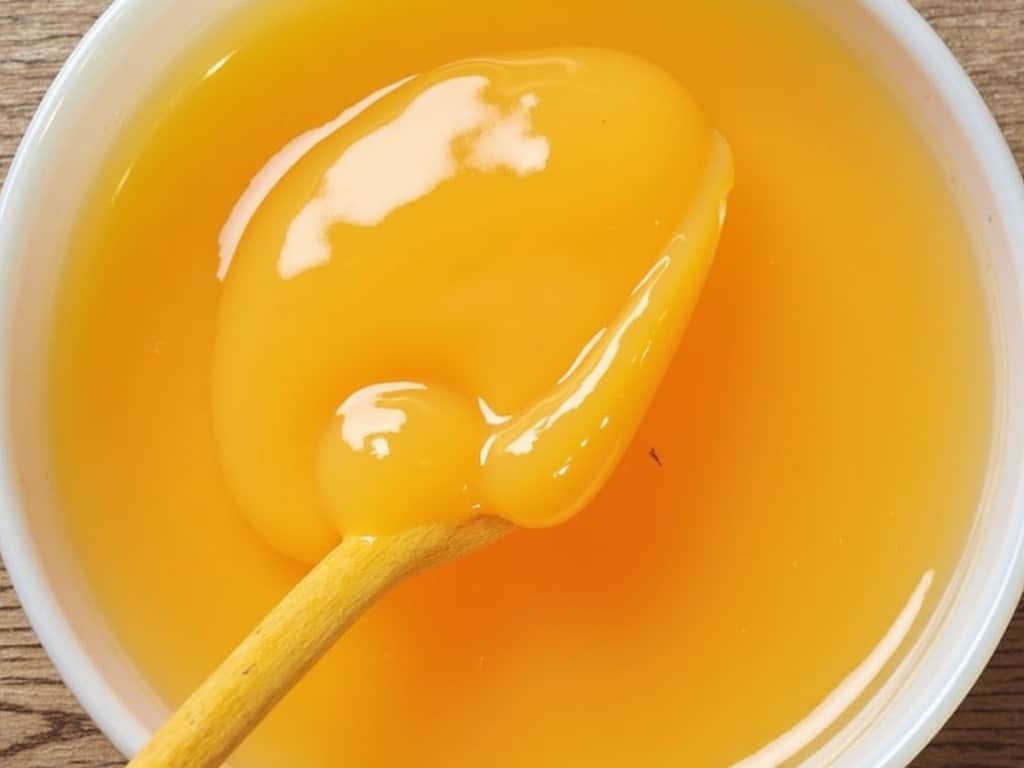
- Color Change: A slight yellowing of the serum is normal, but if it turns a dark orange or brown, it's a sign that the vitamin C has oxidized and should be discarded.
- Irritation: If you experience any redness, burning, or itching after applying the serum, discontinue use immediately. You may be using too high a concentration of vitamin C or be allergic to one of the ingredients.
Application Tips: Maximizing the Benefits
To get the most out of your DIY vitamin C serum for face, follow these application tips:
- Patch Test: Before applying the serum to your entire face, perform a patch test on a small area of skin to check for any allergic reactions or irritation.
- Apply to Clean, Dry Skin: Apply the serum to clean, dry skin after cleansing and toning.
- Use Sparingly: A little goes a long way. Apply a few drops of serum to your fingertips and gently massage it into your face and neck.
- Follow with Moisturizer: After the serum has fully absorbed, follow with your favorite moisturizer to lock in hydration.
- Use Sunscreen: Vitamin C can make your skin more sensitive to the sun, so it's essential to wear sunscreen every day, even on cloudy days.
- Apply in the Evening (Recommended): Due to its potential for increased sun sensitivity, it's often recommended to apply vitamin C serum in the evening.
- Consistency is Key: For optimal results, use your vitamin C serum consistently, ideally once or twice a day.
Storage and Shelf Life: Keeping Your Serum Fresh
Vitamin C is notoriously unstable, so proper storage is crucial to maintaining its potency.
- Dark Glass Bottle: Store your serum in a dark-colored glass bottle to protect it from light exposure, which can degrade vitamin C.
- Refrigeration: Store your serum in the refrigerator to slow down oxidation.
- Limited Shelf Life: DIY vitamin C serum typically has a shelf life of about 1-2 weeks when stored properly. Make small batches to ensure you're always using a fresh and potent serum.
It is important to monitor your DIY serum for signs of oxidization. Check the color and consistency before each use.
Beyond the Serum: Boosting Your Vitamin C Intake Holistically
While topical vitamin C is incredibly beneficial, remember that true radiance comes from within. Supplementing your diet with vitamin C-rich foods can further enhance your skin's health and overall wellbeing.
Foods High in Vitamin C:
- Citrus fruits (oranges, lemons, grapefruits)
- Berries (strawberries, blueberries, raspberries)
- Bell peppers
- Broccoli
- Kale
- Spinach
Is DIY Right for You? Potential Risks and Considerations
While making your own vitamin C serum offers numerous advantages, it's crucial to consider the potential risks and limitations.
- Instability: As mentioned earlier, vitamin C is inherently unstable and can degrade quickly if not formulated and stored properly.
- Irritation: High concentrations of vitamin C can cause irritation, especially for those with sensitive skin. Start with a low concentration and gradually increase it as tolerated.
- Oxidation: Oxidized vitamin C can actually damage the skin, so it's essential to use fresh serum and discard any that has turned brown or cloudy.
- Ingredient Sourcing: Ensuring the quality and purity of your ingredients is paramount. Purchase from reputable suppliers and avoid ingredients with questionable additives.
- Lack of Preservatives: DIY serums typically don't contain preservatives, which means they have a shorter shelf life and are more susceptible to bacterial contamination.
Embrace the Glow: Your Journey to Radiant Skin Starts Now
Creating your own DIY vitamin C serum for face is a rewarding and empowering experience. By carefully selecting your ingredients, following the right recipes, and implementing proper application and storage techniques, you can unlock the secret to a brighter, more youthful complexion. So, embrace the glow, experiment with different formulations, and discover the transformative power of this potent antioxidant for yourself. Your skin will thank you for it!