
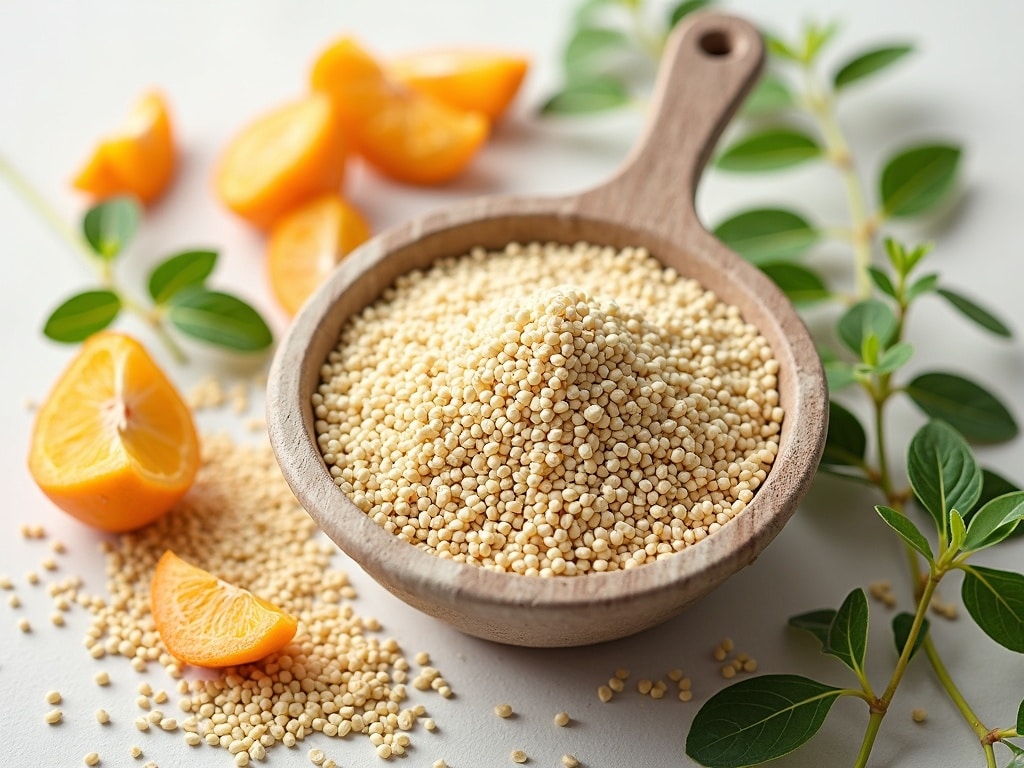
Unlock Your Weight Loss Potential: How to Use Psyllium Husk Effectively
Imagine a simple, natural fiber that can help you feel fuller, control your appetite, and gently promote weight loss. That's the power of psyllium husk, a soluble fiber derived from the seeds of the Plantago ovata plant. But how exactly do you incorporate this unassuming ingredient into your diet to maximize its weight loss benefits? This guide will walk you through everything you need to know, from understanding its properties to practical tips for safe and effective usage.
What is Psyllium Husk and Why is it Good for Weight Loss?
Psyllium husk is primarily composed of soluble fiber. Unlike insoluble fiber, which adds bulk to your stool, soluble fiber absorbs water, forming a gel-like substance in your digestive system. This gel has several implications for weight management:
- Increased Satiety: The gel expands in your stomach, signaling to your brain that you're full. This can naturally lead to reduced calorie intake.
- Blood Sugar Control: Psyllium slows down the absorption of sugar, preventing drastic spikes and crashes in blood sugar levels. Stable blood sugar helps manage cravings and energy levels.
- Improved Digestion: By adding bulk to stool and promoting regularity, psyllium can alleviate constipation and support a healthy gut microbiome, both of which play a role in overall well-being and potentially weight management.
- Cholesterol Reduction: While not directly related to weight loss, psyllium is known to lower LDL (bad) cholesterol levels. This is a valuable added benefit for overall health.
Debunking the Myths: What Psyllium Husk CAN'T Do
It's important to have realistic expectations. Psyllium husk is not a magic bullet for weight loss. It's a tool that can support your efforts when combined with a balanced diet and regular exercise. Here are some common misconceptions:
- Myth: Psyllium will automatically melt away fat. Reality: It primarily aids in appetite control and digestive health.
- Myth: You can eat whatever you want and psyllium will counteract it. Reality: It's not a substitute for healthy eating habits.
- Myth: More psyllium is always better. Reality: Excessive intake can lead to digestive discomfort.
Choosing the Right Type of Psyllium Husk
Psyllium husk is available in several forms:
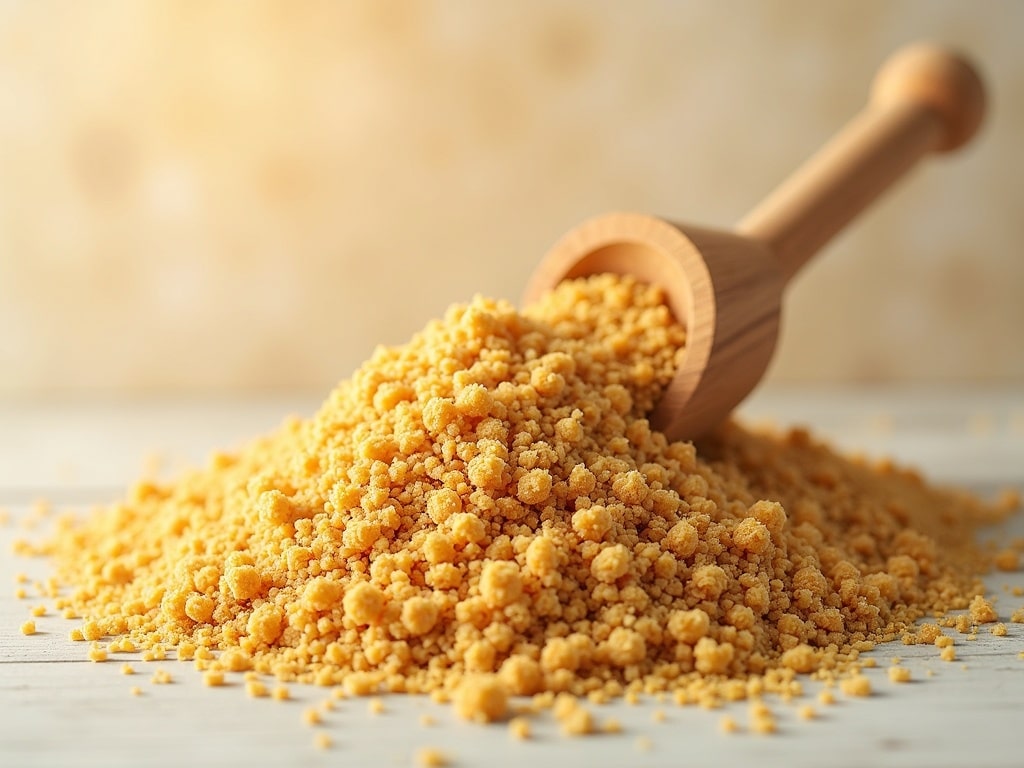
- Powder: This is the most common form and can be easily mixed into water, smoothies, or other beverages.
- Capsules: Convenient for those who dislike the taste or texture of the powder.
- Whole Husks: These have a coarser texture and may require more liquid for proper consumption.
When selecting a product, look for:
- Purity: Choose a brand from a reputable source that tests for contaminants.
- Additives: Opt for products with minimal added sugars, artificial flavors, or colors.
- Organic Options: If possible, choose organic psyllium husk to minimize exposure to pesticides.
How to Use Psyllium Husk for Weight Loss: A Step-by-Step Guide
Here's a practical guide to incorporating psyllium husk into your daily routine for weight loss:
1. Start with a Small Dose
Begin with a low dose, such as ½ to 1 teaspoon of psyllium husk powder per day. This allows your body to adjust to the increased fiber intake and minimizes potential side effects like bloating and gas.
2. Mix with Plenty of Water
The most crucial step! Psyllium absorbs a significant amount of water. Mix the powder or husks with at least 8 ounces (240 ml) of water or another liquid (like unsweetened almond milk). Stir vigorously and drink immediately before it thickens too much.
3. Timing is Key
The best time to take psyllium husk for weight loss is typically 30 minutes before a meal. This helps you feel fuller and eat less during the meal. You can also take it between meals if you experience cravings.
4. Gradually Increase the Dosage
Over several days or weeks, gradually increase your intake to the recommended dosage of 1-2 teaspoons, 1-3 times per day. Pay attention to your body's response and adjust accordingly. If you experience discomfort, reduce the dosage.
5. Incorporate into Your Diet
Get creative! Psyllium husk doesn't have to be consumed in water alone. Here are some ideas:
- Smoothies: Add a teaspoon to your morning smoothie for added fiber.
- Oatmeal: Sprinkle it over your oatmeal or other breakfast cereals.
- Yogurt: Mix it into yogurt for a thicker, more filling snack.
- Baking: Add it to baked goods like muffins or breads to increase their fiber content.
6. Stay Hydrated
This cannot be emphasized enough. Because psyllium absorbs water, it's essential to drink plenty of fluids throughout the day to prevent constipation. Aim for at least 8 glasses of water daily.
Example Daily Schedule:
Here's an example of how you might incorporate psyllium husk into your daily routine:
- Breakfast (7:00 AM): Mix 1 teaspoon of psyllium husk powder with 8 ounces of water 30 minutes before breakfast of oatmeal with berries.
- Lunch (12:00 PM): Add 1 teaspoon of psyllium husk to your lunchtime smoothie.
- Dinner (6:00 PM): Mix 1 teaspoon of psyllium husk powder with 8 ounces of water 30 minutes before a balanced dinner.
Potential Side Effects and Precautions
While generally safe, psyllium husk can cause side effects, especially when first starting. These can include:
- Bloating and Gas: This is the most common side effect and usually subsides as your body adjusts.
- Constipation: Ironically, if you don't drink enough water, psyllium can worsen constipation.
- Diarrhea: In some cases, psyllium can cause loose stools.
- Allergic Reactions: Rare, but some individuals may be allergic to psyllium. Symptoms can include rash, itching, or difficulty breathing.
- Medication Interactions: Psyllium can interfere with the absorption of certain medications. It's important to take psyllium at least 2 hours before or after taking any medications. If you take medication regularly, talk to your doctor before taking psyllium husk.
Who Should Avoid Psyllium Husk?
- Individuals with a history of esophageal strictures or swallowing difficulties.
- People with bowel obstructions or fecal impaction.
- Those with known allergies to psyllium.
Beyond Weight Loss: Other Health Benefits of Psyllium Husk
While this article focuses on weight loss, psyllium husk offers a range of other health benefits:
- Improved Cholesterol Levels: As mentioned earlier, psyllium can help lower LDL (bad) cholesterol.
- Better Blood Sugar Control: It can help regulate blood sugar levels, making it beneficial for individuals with diabetes or insulin resistance.
- Healthier Gut Microbiome: Psyllium acts as a prebiotic, feeding beneficial bacteria in your gut.
- Reduced Risk of Colon Cancer: Some studies suggest that high-fiber diets, including those rich in psyllium, may reduce the risk of colon cancer.
The Bottom Line: Is Psyllium Husk Right for You?
Psyllium husk can be a valuable tool in your weight loss journey when used correctly and as part of a healthy lifestyle. Its ability to promote satiety, regulate blood sugar, and improve digestion can support your efforts to achieve and maintain a healthy weight.
However, it's crucial to remember that psyllium is not a quick fix. It's most effective when combined with a balanced diet, regular exercise, and a commitment to overall well-being. Start slowly, stay hydrated, and listen to your body. If you have any underlying health conditions or are taking medications, consult with your doctor before adding psyllium husk to your routine. With a thoughtful approach, you can harness the power of psyllium husk to support your weight loss goals and enjoy its numerous other health benefits.