

How to Make a DIY Stress Ball: Simple Projects for Instant Relief
In today's fast-paced world, stress has become an unwelcome houseguest. Deadlines loom, bills pile up, and the constant hum of digital notifications can leave us feeling frazzled. But what if relief was as close as your kitchen drawer? Enter the DIY stress ball – a squishy, squeezable solution to help you de-stress and refocus, crafted with your own two hands.
This isn't just about making a cheap toy; it's about creating a tactile tool for mindfulness. The act of making something with your hands can be meditative in itself, and the resulting stress ball becomes a tangible reminder to pause, breathe, and release tension. Ready to dive in? We'll explore several easy and satisfying methods for creating your own personalized stress-busting companion.
Why DIY Stress Balls? More Than Just a Squeeze
Store-bought stress balls can be effective, but there's something uniquely satisfying about creating your own. Here’s why embarking on a DIY stress ball project is a worthwhile endeavor:
- Customization: You control the size, texture, and filling, tailoring it to your personal preferences. Want a super-soft ball filled with lavender for aromatherapy? You got it! Need a firmer option for deep pressure release? Easy!
- Cost-Effective: Forget shelling out for expensive gadgets. Many DIY stress ball options utilize materials you likely already have at home.
- Stress Relief Through Creation: The process of making something, from gathering materials to the final squish, can be incredibly therapeutic. It's a mindful activity that pulls you away from your worries and focuses your attention on the present moment.
- Eco-Friendly: Repurpose old balloons, recycle rice, and reduce your consumption of mass-produced items. DIY is often the greener choice.
- Personalized Sensory Experience: Adjust the filling to create a texture that suits your needs. From smooth and silky to bumpy and granular, you can craft a stress ball that provides the perfect sensory input to calm your nerves.
Method 1: The Classic Balloon and Flour Stress Ball
This is arguably the most popular and straightforward method. It's quick, easy, and requires minimal materials.
Materials You'll Need:
- Balloons (at least 3, for layering and durability)
- Flour (all-purpose works fine)
- A funnel (or a makeshift one from paper)
- Optional: Food coloring, essential oils
Step-by-Step Instructions:
- Prepare the Balloon: Stretch the neck of one balloon to make it easier to fill.
- Fill with Flour: Attach the balloon to the funnel (or your paper funnel) and slowly pour in the flour. Gently shake the balloon to help the flour settle. Aim for a slightly under-filled balloon, as you'll want some give.
- Tie Off the Balloon: Carefully remove the balloon from the funnel, squeeze out any excess air, and tie a tight knot at the neck.
- Double (or Triple) Layer: Cut off the excess neck of another balloon. Stretch it open and cover the filled balloon. Repeat with a third balloon for added durability. The more layers, the less likely your stress ball is to burst.
- Customize (Optional): Draw a face on your stress ball with permanent markers, or add a few drops of essential oil to the flour before filling for an aromatherapy boost.
Method 2: Rice-Filled Relief
Rice provides a slightly different texture than flour, offering a more granular, almost massage-like feel when squeezed.
Materials You'll Need:
- Balloons (again, 3 or more for layering)
- Rice (any kind will do)
- Funnel
- Optional: Essential oils, dried herbs
Instructions:
- Prep the Balloon: Stretch the neck of the first balloon.
- Fill with Rice: Using the funnel, slowly pour rice into the balloon. Be careful not to overfill; leave some room for squeezing.
- Tie and Layer: Tie a tight knot at the neck of the balloon. Cut off the excess neck and layer with two or more additional balloons, as in the flour method.
- Add Aromatherapy (Optional): Mix a few drops of your favorite essential oil (lavender, chamomile, or peppermint are good choices) with the rice before filling. You can also add dried herbs like lavender buds for a more potent scent.
Method 3: Orbeez Oasis: A Sensory Delight
For a truly unique and mesmerizing texture, try filling your stress ball with Orbeez – those water-absorbent polymer beads that grow into squishy marbles. This option is particularly appealing for those who enjoy sensory play.
Materials:
- Clear Balloons (3 or more)
- Orbeez (dry)
- Water
- Funnel
- A bowl or container
Instructions:
- Grow the Orbeez: Place the dry Orbeez in a bowl and cover them with water. Let them sit for several hours, or overnight, until they have fully expanded. Drain any excess water.
- Fill the Balloon: Stretch the neck of a balloon and, using the funnel, carefully pour the hydrated Orbeez into the balloon. This can be a bit trickier than filling with flour or rice, so be patient.
- Secure and Layer: Tie a knot at the neck of the balloon and layer with additional balloons for added strength. The clear balloons will showcase the colorful Orbeez inside.
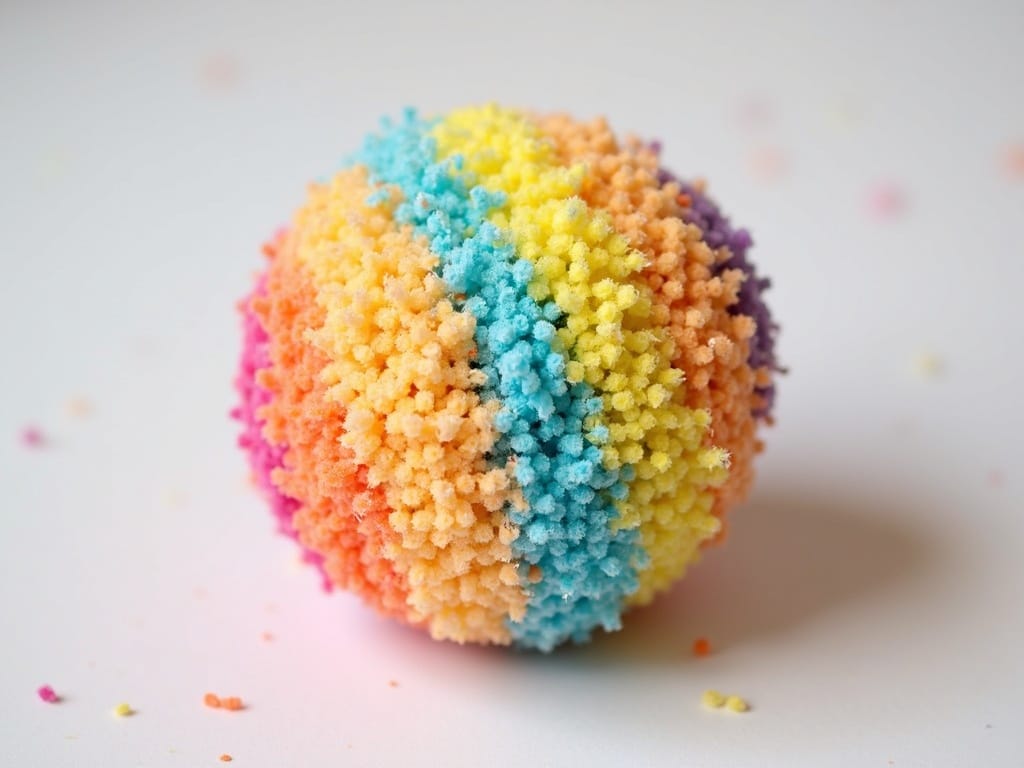
Method 4: The Stretchy Mesh Marvel
This method adds an extra element of tactile fun. When you squeeze the ball, the filling bulges out through the mesh, creating a satisfying and visually appealing effect.
Materials:
- Balloon (1)
- Filling of your choice (flour, rice, Orbeez, etc.)
- Mesh bag (the kind citrus fruits often come in)
Instructions:
- Fill the Balloon: Fill the balloon with your chosen filling, following the instructions from one of the previous methods.
- Place in Mesh Bag: Carefully stretch the mesh bag open and insert the filled balloon.
- Secure the Bag: Tie the open end of the mesh bag tightly around the neck of the balloon. You can use a rubber band or zip tie for extra security.
Tips for Success and Longevity
No matter which method you choose, here are a few tips to ensure your DIY stress ball is a success and lasts as long as possible:
- Use High-Quality Balloons: Thicker balloons are less likely to burst.
- Layer, Layer, Layer: Multiple layers of balloons provide extra protection against leaks and tears.
- Don't Overfill: Leave some room for the filling to move around. An overfilled stress ball is more likely to burst.
- Keep Away from Sharp Objects: This seems obvious, but it's worth mentioning. Sharp objects can easily puncture the balloon.
- Store Properly: When not in use, store your stress ball in a cool, dry place away from direct sunlight.
- Inspect Regularly: Check your stress ball periodically for any signs of wear and tear, such as small holes or leaks. If you notice any damage, it's best to discard the stress ball and make a new one.
Beyond Basic: Creative Customizations
Once you've mastered the basic techniques, feel free to get creative and experiment with different fillings and decorations:
- Scented Stress Balls: Add essential oils, dried herbs, or even coffee grounds to your filling for an aromatherapy boost.
- Colored Fillings: Use food coloring to dye your flour, rice, or Orbeez.
- Decorative Balloons: Use balloons with fun patterns or designs.
- Embellishments: Glue on googly eyes, yarn hair, or other small decorations to personalize your stress ball.
- DIY Stress Ball Animals: Shape your filling, and balloon casing like an animal for further fun.
Creating a cat, dog, or other animal likeness can amplify the fun – especially for kids. Note that you may need stronger adhesive for additions like googly eyes!
The Science Behind the Squeeze: Why Stress Balls Work
It might seem simplistic, but squeezing a stress ball actually triggers a physiological response that can help reduce stress and anxiety. Here's how it works:
- Muscle Relaxation: Squeezing and releasing a stress ball engages the muscles in your hand and forearm, providing a physical outlet for tension. This can help to relax your muscles and reduce feelings of stiffness and soreness.
- Stress Hormone Reduction: Studies have shown that engaging in repetitive movements, like squeezing a stress ball, can help to lower levels of cortisol, the body's primary stress hormone.
- Distraction and Focus: Focusing on the tactile sensation of squeezing a stress ball can help to distract you from racing thoughts and worries. It provides a point of focus that can ground you in the present moment.
- Emotional Release: Squeezing a stress ball can be a way to release pent-up emotions, such as anger, frustration, or anxiety. It provides a safe and healthy way to express these feelings without causing harm to yourself or others.
Consider combining the use of your DIY stress ball with some simple breathing exercises for enhanced stress relief. Box breathing, for example, can be easily integrated into your routine.
Conclusion: Your Pocket-Sized Path to Peace
Making a DIY stress ball is more than just a craft project; it's an investment in your well-being. It's a simple, affordable, and customizable way to manage stress and anxiety, improve focus, and promote relaxation. So, gather your materials, get creative, and start squeezing your way to a calmer, more centered you. After all, sometimes the best solutions are the ones you create yourself.