

Unlocking Calm: Exploring Ashwagandha Benefits for Stress Relief
In today's relentlessly paced world, the feeling of being perpetually stressed has become almost normalized. Deadlines loom, notifications ping incessantly, and the to-do list seems to multiply overnight. While we can’t always escape the pressures of modern life, we can certainly find effective ways to manage them. Enter ashwagandha, an ancient herb with a growing reputation as a natural stress reliever. But is it all hype, or does this Ayurvedic remedy truly offer tangible benefits for our anxiety-ridden minds and bodies?
What is Ashwagandha?
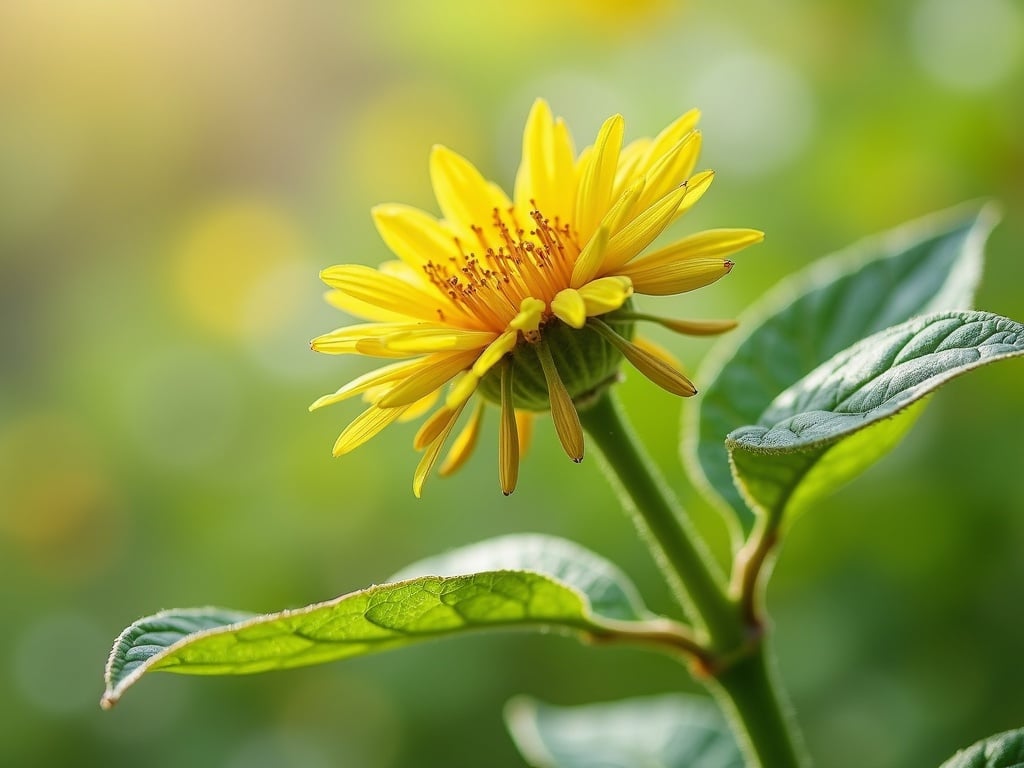
Ashwagandha (Withania somnifera) is a plant native to India and Southeast Asia. It’s a cornerstone of Ayurveda, a traditional system of medicine that emphasizes holistic well-being. Often referred to as Indian ginseng or winter cherry, ashwagandha has been used for centuries to promote vitality, resilience, and, importantly, stress reduction.
The term ashwagandha itself is derived from Sanskrit, meaning smell of the horse, referring to both the herb's unique odor and its purported ability to impart the strength and vitality of a horse.
How Ashwagandha Works: More Than Just a Placebo
Unlike some quick-fix stress remedies, ashwagandha doesn't just mask symptoms. It works at a deeper, more fundamental level by influencing the body's stress response system. Here's a closer look at the science behind its stress-reducing properties:
Adaptogenic Properties
Ashwagandha is classified as an adaptogen, a select group of herbs that help the body adapt to stress, whether it's physical, mental, or environmental. Adaptogens work by modulating the hypothalamic-pituitary-adrenal (HPA) axis, the body's central stress response system. By supporting the HPA axis, ashwagandha helps to:
- Regulate Cortisol Levels: Cortisol is the primary stress hormone. Chronically elevated cortisol levels can lead to a cascade of negative health effects, including anxiety, weight gain, sleep disturbances, and impaired immune function. Ashwagandha has been shown in studies to help lower cortisol levels, promoting a sense of calm and well-being.
- Balance Neurotransmitters: Stress can throw neurotransmitters like serotonin and GABA (gamma-aminobutyric acid) out of balance. Ashwagandha may help regulate these neurotransmitters, which play crucial roles in mood, relaxation, and sleep.
Reducing Anxiety and Depression
Beyond its adaptogenic effects, ashwagandha may directly impact anxiety and depression symptoms. Research suggests that it can:
- Reduce Anxiety Scores: Several studies have demonstrated that ashwagandha supplementation can significantly reduce anxiety scores in individuals experiencing stress and anxiety disorders.
- Improve Mood: By influencing neurotransmitter balance and reducing inflammation, ashwagandha may have a positive impact on mood regulation.
The Specific Ashwagandha Benefits for Stress Relief
While the science is compelling, what does ashwagandha actually do for you in terms of stress relief? Here are some key benefits:
- Reduced Anxiety and Nervousness: Ashwagandha can help to calm the nervous system, reducing feelings of anxiety, worry, and unease.
- Improved Sleep Quality: Stress is a major disruptor of sleep. By lowering cortisol levels and promoting relaxation, ashwagandha can help you fall asleep faster, stay asleep longer, and wake up feeling more refreshed.
- Enhanced Mental Clarity: Chronic stress can lead to brain fog and difficulty concentrating. Ashwagandha may help to improve cognitive function and mental clarity by reducing oxidative stress and supporting healthy brain function.
- Increased Energy Levels: While it might seem counterintuitive, ashwagandha can actually boost energy levels by supporting adrenal function. The adrenal glands are responsible for producing hormones that regulate energy, and chronic stress can deplete them.
- Improved Resilience to Stressors: By strengthening the body's stress response system, ashwagandha can make you more resilient to future stressors. You'll be better equipped to handle challenges without feeling overwhelmed.
Different Forms of Ashwagandha: Choosing the Right One for You
Ashwagandha is available in various forms, each with its own characteristics. The most common include:
- Root Powder: This is the most traditional form of ashwagandha. It can be added to smoothies, teas, or other foods.
- Capsules: Capsules offer a convenient and tasteless way to take ashwagandha. They typically contain standardized extracts.
- Liquid Extracts (Tinctures): Liquid extracts are absorbed quickly and can be easily added to beverages.
- Gummies: Ashwagandha gummies are a palatable option, especially for those who dislike the taste of the powder or have difficulty swallowing pills.
When choosing an ashwagandha supplement, look for products that are standardized to contain a specific percentage of withanolides, the active compounds believed to be responsible for its therapeutic effects. KSM-66 is a patented, full-spectrum extract derived only from the root of the ashwagandha plant. It is the most clinically studied Ashwagandha extract available on the market
Dosage and Usage: Finding Your Sweet Spot
The optimal dosage of ashwagandha varies depending on individual factors such as age, weight, health status, and the specific product being used. However, a typical dosage range is 300-500 mg per day of a standardized extract. It's generally recommended to start with a lower dose and gradually increase it as needed.
Ashwagandha can be taken at any time of day, but many people find it most beneficial to take it in the evening due to its calming effects. It can be taken with or without food. Consistency is key, so try to take it at the same time each day.
Potential Side Effects and Precautions
Ashwagandha is generally considered safe for most people when taken as directed. However, some individuals may experience mild side effects such as:
- Drowsiness
- Headache
- Upset stomach
- Diarrhea
It's important to note the following precautions:
- Pregnancy and Breastfeeding: Ashwagandha is not recommended for pregnant or breastfeeding women due to a lack of sufficient safety data.
- Thyroid Conditions: Ashwagandha may stimulate thyroid hormone production, so individuals with hyperthyroidism or other thyroid conditions should use it with caution and consult with their healthcare provider.
- Autoimmune Diseases: Ashwagandha may stimulate the immune system, so individuals with autoimmune diseases such as lupus, rheumatoid arthritis, or multiple sclerosis should use it with caution and consult with their healthcare provider.
- Medications: Ashwagandha may interact with certain medications, including sedatives, immunosuppressants, and thyroid hormones. Talk to your doctor or pharmacist before taking ashwagandha if you are taking any medications.
Beyond Supplements: Incorporating Ashwagandha into Your Lifestyle
While supplements are a convenient way to experience the benefits of ashwagandha, you can also incorporate the herb into your lifestyle in other ways:
- Ashwagandha Tea: You can brew ashwagandha root powder into a soothing tea.
- Ashwagandha in Recipes: Add ashwagandha powder to smoothies, soups, or other dishes.
- Combine with Other Stress-Relieving Practices: Ashwagandha works best when combined with other stress-reducing strategies such as meditation, yoga, deep breathing exercises, and spending time in nature.
The Bottom Line: Is Ashwagandha Right for You?
Ashwagandha offers a promising natural approach to stress relief. Its adaptogenic properties, ability to regulate cortisol levels, and potential to improve mood make it a valuable tool for managing the daily challenges of modern life. However, it's not a magic bullet. It's essential to combine ashwagandha with a healthy lifestyle and other stress-reducing practices for optimal results. Always consult with your healthcare provider before starting any new supplement, especially if you have any underlying health conditions or are taking medications.
If you're seeking a natural way to calm your mind, improve your sleep, and enhance your overall resilience, ashwagandha might just be the herb you've been searching for. As the world continues to spin faster, finding effective ways to manage stress is no longer a luxury but a necessity. Ashwagandha offers a gentle, holistic path towards greater calm and well-being.