

How to Create a Relaxing Evening Routine: Unwind and Recharge
Imagine this: The day's chaos is finally behind you. Instead of collapsing on the couch, scrolling endlessly, you glide into a peaceful evening, setting the stage for restful sleep and a brighter tomorrow. That's the power of a well-crafted relaxing evening routine. It's not just about what you do, but how it makes you feel.
Why is a Relaxing Evening Routine Important?
In our hyper-connected, always-on world, winding down is essential. Our brains and bodies need a clear signal that it's time to switch gears from activity to rest. Here's why a dedicated evening routine is a game-changer:
- Reduces Stress and Anxiety: Purposeful relaxation helps to lower cortisol levels, the hormone associated with stress.
- Improves Sleep Quality: Consistent pre-sleep rituals regulate your body's natural sleep-wake cycle (circadian rhythm), making it easier to fall asleep and stay asleep.
- Enhances Mood: Taking time for yourself promotes feelings of calm and well-being, warding off negative thoughts.
- Boosts Productivity: A rested mind is a more focused and productive mind. A good night's sleep, fueled by a relaxing evening, sets you up for success the next day.
- Strengthens Self-Care: Prioritizing your evening routine is an act of self-compassion, reminding you that you deserve to relax and recharge.
Building Your Personalized Evening Routine: A Step-by-Step Guide
There's no one-size-fits-all approach to creating the perfect evening routine. The key is to tailor it to your individual needs and preferences. Here's a framework to guide you:
1. Digital Detox: Unplug and Unwind
The blue light emitted from screens interferes with melatonin production, disrupting sleep. Commit to a digital detox at least one hour before bed (ideally two). This means:
- No Phone Scroller: Resist the urge to endlessly scroll through social media.
- TV Turn-Off: Avoid stimulating TV shows or movies.
- Email Curfew: Refrain from checking work emails.
Instead, replace screen time with activities that promote relaxation, such as reading a book, listening to calming music, or taking a warm bath.
2. Create a Calming Environment: Setting the Stage for Relaxation
Your surroundings play a crucial role in your ability to relax. Transform your bedroom into a sanctuary of calm:
- Dim the Lights: Use soft, warm lighting to signal your brain that it's time to wind down.
- Lower the Temperature: A slightly cooler room is more conducive to sleep.
- Reduce Noise: Use earplugs or a white noise machine to block out distractions.
- Aromatherapy: Diffuse relaxing essential oils like lavender, chamomile, or sandalwood.
3. Cultivate Relaxation Techniques: Finding Your Zen
Explore different relaxation techniques to find what works best for you:
- Meditation: Even just 5-10 minutes of meditation can significantly reduce stress and promote relaxation. Use a guided meditation app or simply focus on your breath.
- Deep Breathing Exercises: Practice techniques like diaphragmatic breathing (belly breathing) to calm your nervous system.
- Yoga or Gentle Stretching: Release muscle tension and improve circulation with gentle stretching or a restorative yoga practice.
- Progressive Muscle Relaxation: Systematically tense and release different muscle groups in your body to promote physical relaxation.
- Journaling: Empty your mind by writing down your thoughts and feelings. This can help you process the day's events and release any lingering anxieties.
4. Nourish Your Body: Fueling Relaxation
What you eat and drink in the evening can impact your sleep quality. Be mindful of your choices:
- Avoid Caffeine and Alcohol: These substances can interfere with sleep. Limit caffeine intake in the afternoon and avoid alcohol close to bedtime.
- Eat a Light Dinner: Heavy meals can disrupt sleep. Opt for a light, balanced dinner a few hours before bed.
- Hydrate with Calming Teas: Herbal teas like chamomile, lavender, or passionflower can promote relaxation.
5. Personalize Your Routine: Make it Your Own
The most effective evening routine is one that you enjoy and can consistently stick to. Don't be afraid to experiment and personalize it to your liking.
- Choose Activities You Love: Incorporate hobbies or activities that bring you joy, such as reading, listening to music, or spending time with loved ones.
- Consider Your Personality: Are you an introvert or an extrovert? Design your routine to reflect your individual needs and preferences.
- Be Flexible: Life happens. Don't get discouraged if you occasionally deviate from your routine. Just get back on track as soon as possible.
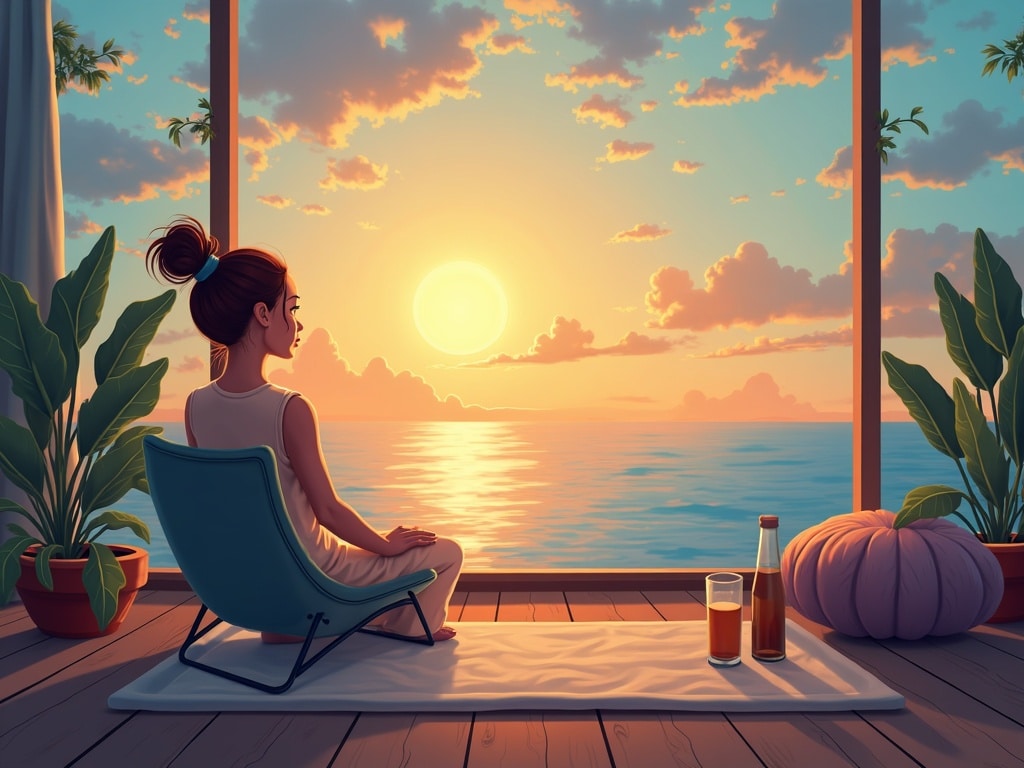
Evening Routine Ideas: Inspiration to Get You Started
Need some inspiration? Here are a few evening routine ideas to spark your creativity:
- The Bookworm's Bliss: Dim the lights, brew a cup of herbal tea, and curl up with a good book.
- The Creative's Calm: Engage in a creative activity like painting, writing, or playing a musical instrument.
- The Nature Lover's Night: Take a leisurely walk in nature, listen to the sounds of the night, and breathe in the fresh air.
- The Pampered Soul's Sanctuary: Indulge in a relaxing bath with essential oils and Epsom salts, followed by a gentle massage.
- The Mindful Meditator's Moment: Practice a guided meditation, focusing on your breath and releasing any tension.
Overcoming Common Evening Routine Challenges
Even with the best intentions, sticking to a new evening routine can be challenging. Here are some common obstacles and how to overcome them:
- Lack of Time: Start small and gradually add more elements to your routine as you adjust your schedule. Even just 15-30 minutes of dedicated relaxation can make a difference.
- Procrastination: Set a specific time for your evening routine and treat it as a non-negotiable appointment.
- Distractions: Minimize distractions by turning off notifications and creating a quiet space for relaxation.
- Lack of Motivation: Focus on the benefits of a relaxing evening routine, such as improved sleep, reduced stress, and enhanced mood.
- Perfectionism: Don't strive for perfection. It's okay to occasionally deviate from your routine. The key is to be consistent overall.
The Science Behind Relaxation: How It Works
Relaxation techniques work by activating the parasympathetic nervous system, also known as the rest and digest system. This system counteracts the effects of the sympathetic nervous system, which is responsible for the fight or flight response. When the parasympathetic nervous system is activated, your heart rate slows down, your blood pressure decreases, and your breathing becomes more regular. This allows your body to enter a state of relaxation and repair.
Tracking Your Progress: Monitoring the Benefits
To stay motivated, it can be helpful to track your progress and monitor the benefits of your evening routine. Keep a journal to record your sleep quality, stress levels, and overall mood. Over time, you'll likely notice significant improvements in these areas.
Beyond the Routine: Long-Term Stress Management
A relaxing evening routine is a valuable tool for managing stress and promoting well-being, but it's important to address the underlying causes of stress in your life. Consider incorporating other stress-management techniques into your daily routine, such as exercise, mindfulness, and healthy eating habits. It's also important to seek support from friends, family, or a therapist if you're struggling to cope with stress on your own.
Conclusion: Embrace the Power of a Relaxing Evening
Creating a relaxing evening routine is an investment in your well-being. By prioritizing relaxation and setting the stage for restful sleep, you can reduce stress, improve your mood, and boost your productivity. So, take some time to craft your personalized routine and embrace the power of a truly relaxing evening. Your mind, body, and spirit will thank you for it.