
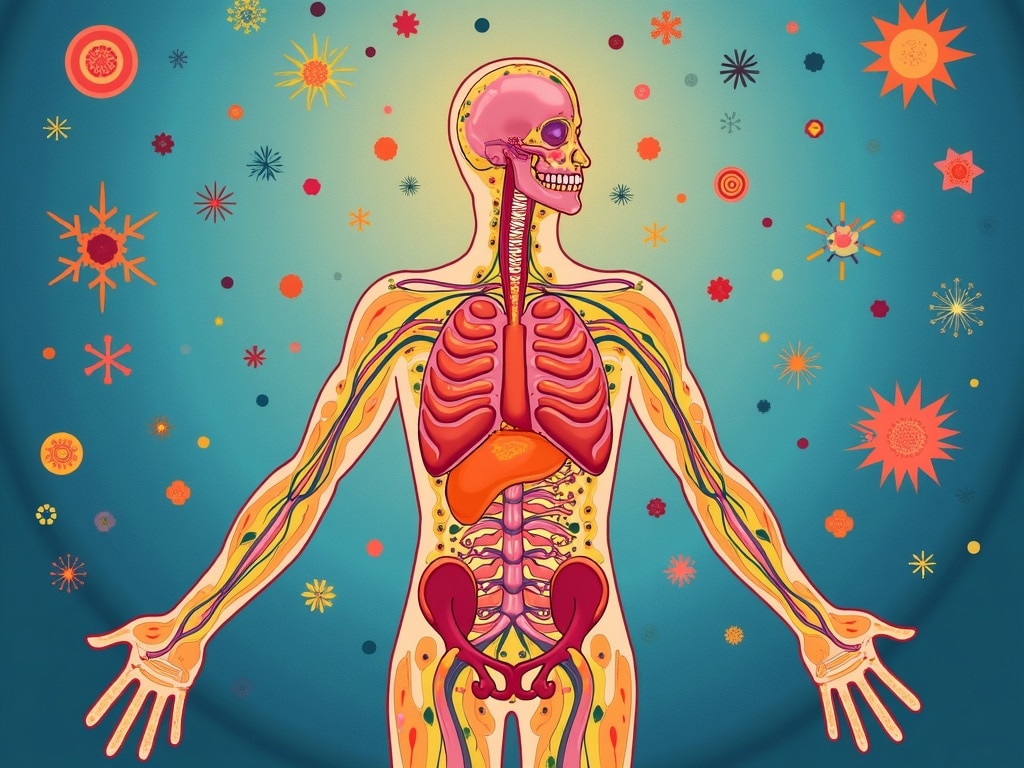
Natural Ways to Support Lymphatic Drainage: Boost Your Immunity and Vitality
Imagine your body as a bustling city. Goods are delivered, waste is collected, and everything runs smoothly, thanks to an intricate network of roads and sanitation systems. Now, imagine that sanitation system becomes sluggish, leading to backups and potential health hazards. This, in essence, is what happens when your lymphatic system – your body’s crucial waste disposal network – becomes congested. Fortunately, there are many natural, effective ways to support healthy lymphatic drainage and keep your inner city running smoothly.
What is the Lymphatic System and Why is Drainage Important?
Often overlooked, the lymphatic system is a vital part of your immune system, playing a crucial role in detoxification, immune defense, and fluid balance. It's a network of vessels and tissues, similar to blood vessels, that transports lymph – a fluid containing white blood cells – throughout your body.
Here's a simplified breakdown of its key functions:
- Fluid Regulation: The lymphatic system collects excess fluid, proteins, and waste products from tissues and returns them to the bloodstream, preventing swelling and maintaining fluid balance.
- Immune Defense: Lymph nodes, located along the lymphatic vessels, filter lymph and contain immune cells that attack bacteria, viruses, and other pathogens. They essentially act as security checkpoints, neutralizing threats before they can cause widespread infection.
- Waste Removal: The lymphatic system transports cellular debris, toxins, and other waste products away from tissues for elimination. Think of it as your body's garbage collection service.
- Fat Absorption: Special lymphatic vessels in the small intestine absorb fats and fat-soluble vitamins from digested food and transport them to the bloodstream.
When the lymphatic system becomes sluggish or congested, it can lead to a variety of health problems, including:
- Swelling (lymphedema)
- Fatigue
- Frequent infections
- Skin problems
- Digestive issues
Supporting healthy lymphatic drainage is therefore essential for overall health, vitality, and a robust immune system.
Identifying Signs of a Sluggish Lymphatic System
Recognizing the signs of a compromised lymphatic system is the first step towards addressing the issue. While individual experiences may vary, common indicators include:
- Persistent Swelling: This is the most obvious sign, often occurring in the legs, ankles, or arms. It can feel like a heavy, achy sensation.
- Recurring Infections: A weakened lymphatic system struggles to fight off invaders, leading to frequent colds, flu, or other infections.
- Unexplained Fatigue: Toxin buildup and impaired waste removal can contribute to chronic fatigue and low energy levels.
- Skin Issues: Acne, eczema, and dry skin can be linked to lymphatic congestion, as the body struggles to eliminate toxins effectively.
- Digestive Problems: Bloating, constipation, and food sensitivities may indicate a sluggish lymphatic system affecting nutrient absorption and waste removal.
- Stiffness and Soreness: Muscle aches, joint pain, and general stiffness can be signs of fluid buildup and inflammation associated with poor lymphatic drainage.
If you experience several of these symptoms, it's worth exploring ways to support your lymphatic system naturally.
Top Natural Strategies for Boosting Lymphatic Drainage
Fortunately, supporting healthy lymphatic drainage doesn't require expensive treatments or complicated procedures. Many simple lifestyle changes and natural therapies can make a significant difference.
1. Hydration is Key
Lymph is primarily composed of water, so staying adequately hydrated is crucial for optimal lymphatic flow. When you're dehydrated, lymph becomes thicker and more sluggish, hindering its ability to transport waste and toxins.
- Aim for at least 8 glasses of water per day: Adjust your intake based on your activity level and climate.
- Choose filtered water: Minimize your exposure to toxins by drinking clean, filtered water.
- Add lemon or cucumber: These additions can further enhance detoxification and lymphatic support.
- Avoid sugary drinks and excessive caffeine: These can dehydrate you and put a strain on your lymphatic system.
2. Embrace Movement: The Lymphatic Pump
Unlike the circulatory system, which has the heart to pump blood, the lymphatic system relies on muscle contractions and movement to circulate lymph. Regular physical activity is therefore essential for lymphatic drainage.
- Rebounding (Mini-Trampoline): This gentle bouncing motion is incredibly effective at stimulating lymphatic flow.
- Walking: A simple yet powerful way to activate muscle contractions and promote lymphatic drainage. Aim for at least 30 minutes of walking most days of the week.
- Yoga and Stretching: Certain yoga poses and stretches can specifically target lymphatic drainage by opening up lymphatic pathways and promoting fluid movement. Inversions, such as downward-facing dog, are particularly beneficial.
- Dancing: A fun and engaging way to get your body moving and stimulate lymphatic circulation.
3. Dry Brushing: A Skin-Deep Detox
Dry brushing is a simple technique that involves brushing your skin with a dry, natural-bristle brush before showering. This helps to stimulate lymphatic flow, exfoliate dead skin cells, and improve circulation.
- Choose a natural-bristle brush: Opt for a brush with a long handle to reach all areas of your body.
- Brush towards the heart: Use gentle, upward strokes, always brushing towards the heart to encourage lymphatic drainage.
- Start at your feet and work your way up: Cover your entire body, paying particular attention to areas with cellulite or swelling.
- Shower after dry brushing: This will help to remove any loosened dead skin cells and toxins.
4. Manual Lymphatic Drainage (MLD) Massage
Manual Lymphatic Drainage (MLD) is a gentle massage technique that specifically targets the lymphatic system. A trained therapist uses light, rhythmic strokes to stimulate lymphatic flow and encourage drainage.
- Find a qualified MLD therapist: Look for a therapist who is specifically trained in MLD techniques.
- Gentle, rhythmic strokes: MLD is a very gentle massage, not a deep tissue massage.
- Focus on lymphatic pathways: The therapist will focus on specific lymphatic pathways to encourage drainage.
- Regular sessions: For optimal results, consider regular MLD sessions, especially if you have lymphedema or other lymphatic issues.
5. Dietary Strategies for Lymphatic Support
What you eat can significantly impact your lymphatic system. Certain foods can promote lymphatic drainage, while others can contribute to congestion. Adopting a lymphatic-friendly diet is a powerful step towards supporting your overall health.
- Eat plenty of fruits and vegetables: These are rich in antioxidants, vitamins, and minerals that support lymphatic function. Focus on colorful fruits and vegetables like berries, leafy greens, citrus fruits, and cruciferous vegetables.
- Include healthy fats: Healthy fats, such as those found in avocados, nuts, seeds, and olive oil, are essential for lymphatic function and overall health.
- Limit processed foods, sugar, and unhealthy fats: These can contribute to inflammation and lymphatic congestion.
- Incorporate lymphatic-supporting herbs: Certain herbs, such as ginger, turmeric, and echinacea, have anti-inflammatory and lymphatic-stimulating properties.
6. Herbal Allies: Natural Lymphatic Cleansers
Certain herbs have traditionally been used to support lymphatic drainage and detoxification. These can be incorporated into your diet or taken as supplements, always under the guidance of a healthcare professional.
- Echinacea: Known for its immune-boosting properties, echinacea can also help to stimulate lymphatic flow.
- Ginger: A potent anti-inflammatory, ginger can help to reduce inflammation and support lymphatic drainage.
- Turmeric: Another powerful anti-inflammatory, turmeric contains curcumin, which has been shown to have numerous health benefits, including supporting lymphatic function.
- Cleavers: This herb is specifically known for its lymphatic cleansing properties.
Integrating Lymphatic Support into Your Daily Routine
Making small, consistent changes to your daily routine can have a significant impact on your lymphatic health. Here's a practical approach to incorporating these strategies:
- Start Your Day with Hydration: Drink a glass of warm water with lemon first thing in the morning.
- Incorporate Movement: Take the stairs instead of the elevator, go for a walk during your lunch break, or do some stretching before bed.
- Dry Brush Regularly: Make dry brushing a part of your morning routine before showering.
- Mindful Eating: Pay attention to the foods you eat and make conscious choices to support your lymphatic system.
- Stress Management: Practice stress-reducing activities like meditation, yoga, or spending time in nature. Chronic stress can negatively impact lymphatic function.
When to Seek Professional Guidance
While these natural strategies can be incredibly effective, it's essential to seek professional guidance if you experience severe or persistent lymphatic issues. A healthcare provider can help to diagnose the underlying cause of your symptoms and recommend appropriate treatment options. This is especially important if you suspect you have lymphedema or another lymphatic disorder.
A Final Word on Lymphatic Health
Your lymphatic system is a silent workhorse, constantly working to keep you healthy and vibrant. By incorporating these natural strategies into your daily routine, you can support optimal lymphatic drainage, boost your immunity, and enhance your overall well-being. Listen to your body, be patient, and celebrate the small victories as you embark on your journey to lymphatic health. Embrace these practices not as a temporary fix, but as a sustainable lifestyle that nourishes your body from the inside out, allowing you to thrive in your own bustling, healthy city.