
How to Increase White Blood Cells Naturally: Your Comprehensive Guide
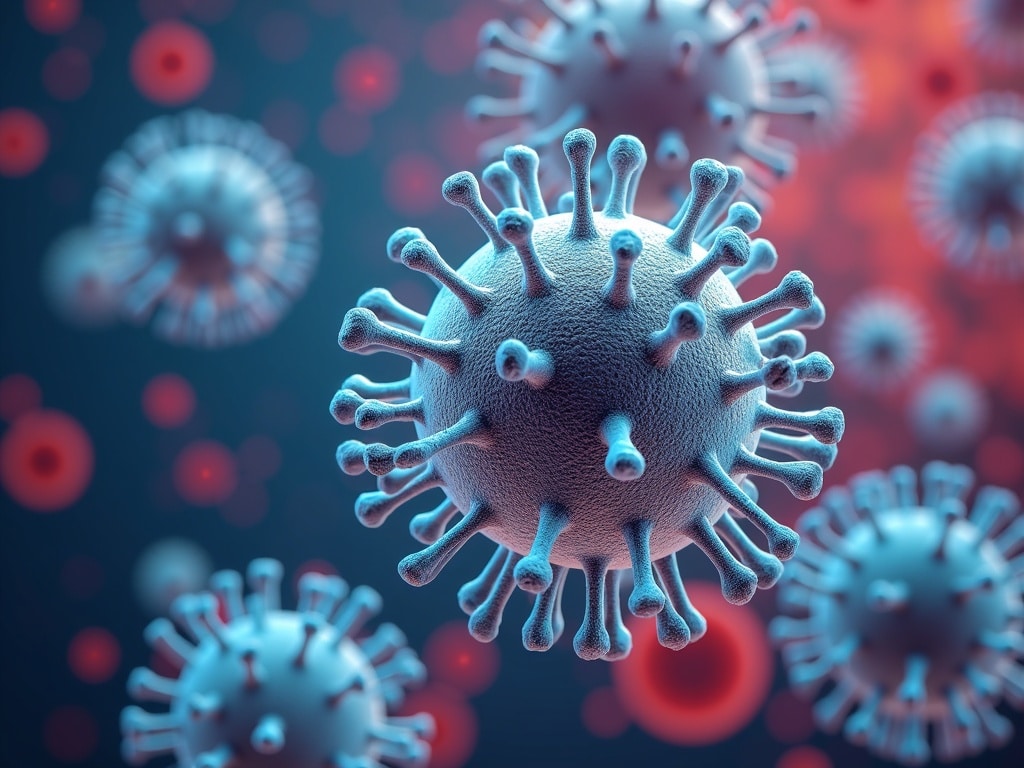
Imagine your body as a medieval castle, constantly under siege from invaders. White blood cells (WBCs), the valiant knights and archers, are your first line of defense. They patrol your system, identify threats (bacteria, viruses, fungi, parasites), and launch attacks to keep you healthy. But what happens when your army is undermanned? Low white blood cell count, or leukopenia, can leave you vulnerable to infections. Fortunately, there are natural ways to bolster your defenses and increase your white blood cell count, empowering your body to fight off illness more effectively.
Understanding White Blood Cells and Their Importance
Before diving into the how, let's understand the why. White blood cells, also known as leukocytes, are produced in the bone marrow and are critical components of the immune system. There are five main types, each with a specific role:
- Neutrophils: The most abundant type, they engulf and destroy bacteria and fungi.
- Lymphocytes: Include T cells (which directly attack infected cells) and B cells (which produce antibodies).
- Monocytes: Mature into macrophages, which engulf dead cells and debris, and activate other immune cells.
- Eosinophils: Fight parasites and are involved in allergic reactions.
- Basophils: Release histamine and other chemicals that promote inflammation, playing a role in allergic responses.
A normal WBC count typically falls between 4,500 and 11,000 cells per microliter of blood. When the count dips below this range, your immune system is compromised, and you become more susceptible to infections. This is why naturally improving these critical cells is an important component of overall health.
What Causes Low White Blood Cell Count?
Several factors can contribute to a decreased WBC count, including:
- Infections: Viral infections like the flu or HIV can suppress bone marrow function.
- Autoimmune disorders: Conditions like lupus and rheumatoid arthritis can attack WBCs.
- Medications: Chemotherapy, antibiotics, and certain other drugs can lower WBC counts as a side effect.
- Bone marrow disorders: Conditions like leukemia and myelodysplastic syndromes directly affect WBC production.
- Nutritional deficiencies: Lack of certain vitamins and minerals, particularly B12, folate, and copper, can impair WBC production.
- Cancer: Some cancers, particularly those that affect the bone marrow, can lead to low WBC counts.
Dietary Strategies to Boost White Blood Cells
One of the most effective ways to increase white blood cells naturally is through diet. Focus on incorporating foods rich in essential nutrients that support immune function and stimulate WBC production.
Foods Rich in Vitamin C
Vitamin C is a potent antioxidant that plays a vital role in immune function. It stimulates the production and function of WBCs, protecting them from damage. Load up on these vitamin C powerhouses:
- Citrus fruits: Oranges, lemons, grapefruits, and limes.
- Berries: Strawberries, blueberries, raspberries, and cranberries.
- Kiwi: A small but mighty source of vitamin C.
- Leafy greens: Spinach, kale, and collard greens.
- Bell peppers: Especially red and yellow peppers.
- Broccoli: A cruciferous vegetable packed with nutrients.
Foods Rich in Vitamin E
Another powerful antioxidant, vitamin E helps protect cell membranes from damage, supporting the function of immune cells, including WBCs. Here are some excellent sources:
- Nuts and seeds: Almonds, sunflower seeds, and hazelnuts.
- Vegetable oils: Wheat germ oil, sunflower oil, and safflower oil.
- Avocado: A creamy and nutritious fruit.
- Spinach: A versatile leafy green.
Foods Rich in Zinc
Zinc is essential for the development and function of immune cells. A zinc deficiency can impair WBC production and function. Include these zinc-rich foods in your diet:
- Oysters: A top source of zinc.
- Beef and poultry: Good sources of readily available zinc.
- Nuts and seeds: Pumpkin seeds, cashews, and almonds.
- Beans and lentils: Vegetarian-friendly sources of zinc.
- Whole grains: Oats, quinoa, and brown rice.
Foods Rich in Selenium
Selenium is a trace mineral that acts as an antioxidant and supports immune function. It helps regulate immune responses and protect WBCs from oxidative stress. Good sources include:
- Brazil nuts: Just one or two Brazil nuts provide a significant amount of selenium.
- Tuna and salmon: Seafood sources rich in selenium.
- Sunflower seeds: A convenient snack with added benefits.
- Brown rice: A whole grain option providing selenium.
Foods Rich in B Vitamins (B12 and Folate)
Vitamin B12 and folate are crucial for cell growth and division, including the production of WBCs. Deficiencies in these vitamins can lead to reduced WBC counts. Incorporate these foods into your diet:
- Beef liver: A highly concentrated source of B12.
- Eggs: A versatile source of B12 and other nutrients.
- Dairy products: Milk, cheese, and yogurt are good sources of B12.
- Fortified cereals: Many breakfast cereals are fortified with B12 and folate.
- Leafy green vegetables: Spinach, kale, and romaine lettuce are rich in folate.
- Beans and lentils: Excellent sources of folate for vegetarians.
Consider Probiotic-Rich Foods
A healthy gut microbiome plays a significant role in immune function. Probiotics, beneficial bacteria found in fermented foods, can help modulate the immune system and support WBC production. Consider including these in your diet:
- Yogurt: Choose yogurt with live and active cultures.
- Kefir: A fermented milk drink with a slightly tart flavor.
- Sauerkraut: Fermented cabbage.
- Kimchi: A Korean fermented vegetable dish.
Lifestyle Changes to Support White Blood Cell Production
Diet isn't the only factor influencing your WBC count. Lifestyle choices also play a crucial role in supporting a healthy immune system and promoting WBC production.
Prioritize Adequate Sleep
Sleep deprivation weakens the immune system. Aim for 7-9 hours of quality sleep each night to allow your body to repair and regenerate, including the production of WBCs. Establish a regular sleep schedule, create a relaxing bedtime routine, and ensure your bedroom is dark, quiet, and cool.
Manage Stress Levels
Chronic stress can suppress the immune system, making you more vulnerable to illness. Find healthy ways to manage stress, such as:
- Meditation: Even a few minutes of daily meditation can reduce stress and improve well-being.
- Yoga: Combines physical postures, breathing techniques, and meditation to promote relaxation.
- Spending Time in Nature: Research suggests that being in nature lowers stress.
- Exercise: Regular physical activity can boost mood and reduce stress.
- Hobbies: Engaging in enjoyable activities can help you unwind and de-stress.
Engage in Regular Exercise (But Don't Overdo It)
Moderate exercise can stimulate the immune system, increasing the circulation of WBCs and improving their ability to fight off infection. However, excessive or strenuous exercise can temporarily suppress the immune system, so it's important to find a balance. Aim for at least 30 minutes of moderate-intensity exercise most days of the week. This could include brisk walking, jogging, swimming, or cycling.
Avoid Smoking and Excessive Alcohol Consumption
Smoking damages the immune system and increases your risk of infections. Quitting smoking is one of the best things you can do for your overall health, including your immune function. [externalLink insert] Similarly, excessive alcohol consumption can suppress the immune system and impair WBC production. Limit alcohol intake to moderate levels (up to one drink per day for women and up to two drinks per day for men).
Practice Good Hygiene
Good hygiene practices can help prevent infections, reducing the burden on your immune system and allowing it to focus on other tasks. Wash your hands frequently with soap and water, especially after using the restroom, before eating, and after being in public places. Avoid touching your face, and cover your mouth and nose when you cough or sneeze.
Herbal Remedies and Supplements (Proceed with Caution)
While some herbal remedies and supplements are touted for their immune-boosting properties, it's important to approach them with caution. Some may interact with medications or have adverse side effects. Always consult with your doctor before taking any new supplements or herbal remedies, especially if you have underlying health conditions or are taking medications.
Some commonly mentioned supplements include:
- Echinacea: May stimulate immune function and reduce the duration of colds.
- Astragalus: An adaptogen that may help support immune function.
- Elderberry: May have antiviral properties and reduce the severity of flu symptoms.
- Garlic: Contains compounds that may boost immune function.
When to See a Doctor
While the strategies outlined above can help increase white blood cells naturally, it's essential to consult with a doctor if you have concerns about your WBC count or experience symptoms of infection, such as:
- Fever
- Chills
- Cough
- Sore throat
- Fatigue
- Body aches
A doctor can perform a blood test to determine your WBC count and identify any underlying conditions that may be contributing to low levels. They can also recommend appropriate treatment options based on your specific situation.
Conclusion
Boosting your white blood cells naturally is a proactive step towards enhancing your immune system and protecting your health. By focusing on a nutrient-rich diet, adopting healthy lifestyle habits, and working closely with your doctor, you can empower your body to defend itself against illness and thrive. Remember, a strong immune system is your best defense against the world's microscopic invaders!