
Calendula Salve Recipe for Skin Healing: A Natural DIY Guide
Imagine a world where minor cuts, scrapes, and dry skin patches are met not with a trip to the pharmacy, but with a simple, homemade balm crafted from the vibrant petals of a garden flower. Welcome to the world of calendula salve, a time-honored remedy celebrated for its remarkable skin-healing properties. This isn't just a recipe; it's a journey into the heart of natural skincare, empowering you to create a soothing and effective treatment right in your own kitchen.
What is Calendula and Why is it Good for Your Skin?
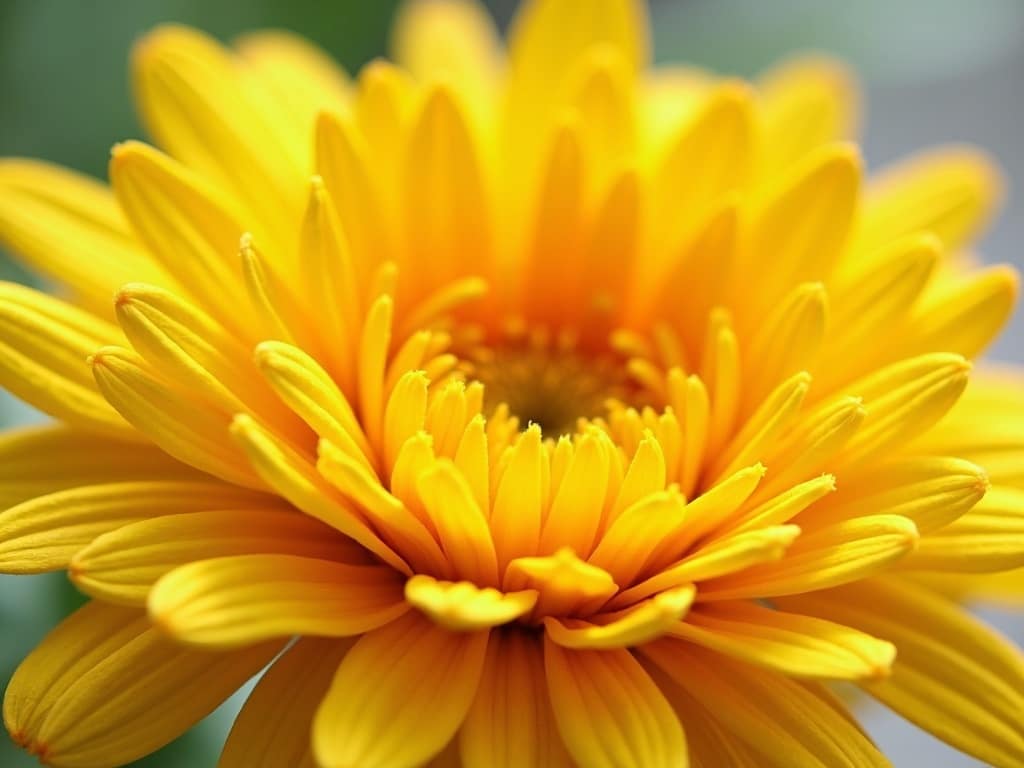
Calendula, scientifically known as *Calendula officinalis*, is a flowering plant belonging to the daisy family. Its bright orange and yellow petals have been used for centuries in traditional medicine, particularly for their skin-healing and anti-inflammatory properties. But what makes calendula so special?
Key Benefits of Calendula for Skin:
- Anti-inflammatory: Calendula contains compounds that help reduce inflammation, making it ideal for soothing irritated skin conditions like eczema, dermatitis, and diaper rash.
- Wound Healing: Studies have shown that calendula can promote faster wound healing by increasing blood flow and stimulating the growth of new tissue.
- Antimicrobial: Calendula possesses antimicrobial properties, which can help prevent infection in minor cuts, scrapes, and burns.
- Moisturizing: Calendula helps to hydrate and nourish dry, cracked skin, leaving it feeling soft and supple.
- Antioxidant: Calendula is rich in antioxidants, which protect the skin from damage caused by free radicals and environmental stressors.
Understanding the Power of Calendula Salve
Calendula salve harnesses the potent healing properties of the calendula flower, delivering them directly to the skin in a concentrated form. Unlike lotions or creams, salves are typically made with a higher percentage of oil and beeswax, creating a protective barrier that seals in moisture and allows the calendula extract to work its magic.
What Can Calendula Salve Be Used For?
Minor cuts and scrapes
Burns (including sunburn)
Dry, cracked skin
Eczema and dermatitis
Diaper rash
Insect bites and stings
Bruises
Chapped lips
Gathering Your Ingredients: What You'll Need
Before you begin, gather the following ingredients for your calendula salve recipe:
- Calendula-infused oil: This is the heart of your salve, providing the therapeutic benefits of calendula. You can purchase pre-made calendula-infused oil or easily make your own (instructions below).
- Beeswax: Beeswax acts as a thickening agent and helps to create a protective barrier on the skin. Use natural, cosmetic-grade beeswax.
- Optional: Vitamin E oil: A natural antioxidant, Vitamin E oil helps to extend the shelf life of your salve and provides additional skin benefits.
- Optional: Essential oils: For added fragrance and therapeutic benefits, consider adding a few drops of essential oils like lavender (soothing), chamomile (anti-inflammatory), or tea tree (antimicrobial).
The Ultimate Calendula Salve Recipe (DIY Guide)
Now, let's get to the fun part – making your own calendula salve! This recipe is simple, customizable, and yields a wonderfully effective healing balm.
Ingredients:
1 cup calendula-infused oil
2 ounces beeswax (approximately ¼ cup shredded)
1 teaspoon Vitamin E oil (optional)
10-20 drops essential oils (optional)
Equipment:
Double boiler or heat-safe bowl and saucepan
Measuring cups and spoons
Spoon or spatula
Small jars or tins for storing the salve
Instructions:
- Prepare the Double Boiler: Fill the saucepan with about 2 inches of water and bring to a simmer. Place the heat-safe bowl on top, ensuring it doesn't touch the water.
- Melt the Beeswax: Add the beeswax to the bowl and heat until completely melted, stirring occasionally.
- Add the Calendula-Infused Oil: Once the beeswax is melted, pour in the calendula-infused oil and stir to combine.
- Incorporate Vitamin E and Essential Oils (Optional): Remove the bowl from the heat and stir in the Vitamin E oil and essential oils, if using.
- Pour into Containers: Carefully pour the hot salve mixture into your prepared jars or tins.
- Cool and Set: Allow the salve to cool and solidify completely at room temperature. This may take several hours.
- Cap and Label: Once the salve is solid, cap the containers and label them with the name Calendula Salve and the date.
Making Your Own Calendula-Infused Oil: A Step-by-Step Guide
If you prefer to make your own calendula-infused oil, here's a simple method:
Ingredients and Equipment:
1 cup dried calendula flowers
1 cup carrier oil (such as olive oil, sweet almond oil, or grapeseed oil)
Clean, dry jar
Cheesecloth or fine-mesh strainer
Instructions:
- Prepare the Calendula Flowers: Ensure that your calendula flowers are completely dry. This will prevent mold growth during the infusion process.
- Combine Flowers and Oil: Place the dried calendula flowers in the clean jar and pour the carrier oil over them, making sure the flowers are completely submerged.
- Infuse the Oil (Option 1: Slow Infusion): Seal the jar tightly and place it in a cool, dark place for 4-6 weeks. Shake the jar gently every few days.
- Infuse the Oil (Option 2: Quick Infusion): Alternatively, for a quicker infusion, place the open jar in a double boiler or a slow cooker on a very low setting for 6-8 hours, checking periodically to ensure the oil doesn't overheat.
- Strain the Oil: After the infusion period, strain the oil through cheesecloth or a fine-mesh strainer to remove the calendula flowers.
- Store the Oil: Pour the infused oil into a clean, dark glass bottle and store it in a cool, dark place.

Tips for Success: Ensuring a High-Quality Calendula Salve
Use High-Quality Ingredients: The quality of your ingredients will directly impact the effectiveness of your salve. Opt for organic calendula flowers and natural beeswax whenever possible.
Ensure Flowers are Dry: When making calendula-infused oil, make sure the flowers are thoroughly dried to prevent mold growth.
Don't Overheat the Mixture: When melting the beeswax and combining the ingredients, avoid overheating the mixture, as this can damage the beneficial properties of the calendula.
Test for Allergies: Before applying the salve to a large area of skin, perform a patch test on a small, inconspicuous area to check for any allergic reactions.
Proper Storage: Store your calendula salve in a cool, dark place to prolong its shelf life. It should last for up to a year.
Troubleshooting Your Calendula Salve
Salve is Too Hard: If your salve is too hard, it likely contains too much beeswax. Next time, reduce the amount of beeswax by about ¼ ounce.
Salve is Too Soft: If your salve is too soft, it needs more beeswax. Increase the amount of beeswax by about ¼ ounce in your next batch.
Salve Has a Grainy Texture: A grainy texture can occur if the beeswax cools too slowly. To avoid this, melt the beeswax completely and stir the mixture well before pouring it into containers. You can also remelt the salve and allow it to cool more quickly.
Salve Smells Rancid: A rancid smell indicates that the oil has gone bad. This can be prevented by using fresh, high-quality oil and adding Vitamin E oil as a preservative.
Expanding Your Natural Skincare Toolkit
Once you've mastered the art of making calendula salve, consider exploring other natural skincare remedies. Here are a few ideas to get you started:
Lavender Salve: Soothes and calms irritated skin, promotes relaxation.
Comfrey Salve: Known for its bone-healing properties, also beneficial for bruises and sprains.
Plantain Salve: Draws out toxins and soothes insect bites and stings.
Herbal Infused Oils: Experiment with infusing different herbs, such as chamomile, rosemary, or thyme, to create custom skincare oils with unique therapeutic benefits. [externalLink insert]
Final Thoughts: Embracing the Healing Power of Nature
Creating your own calendula salve is more than just a DIY project; it's a connection to the healing power of nature. By harnessing the potent properties of the calendula flower, you can create a safe, effective, and all-natural remedy for a variety of skin ailments. So, gather your ingredients, embrace the process, and experience the soothing benefits of homemade calendula salve. Your skin will thank you for it!