
Herbal Preparations for Beginners: A Comprehensive Guide
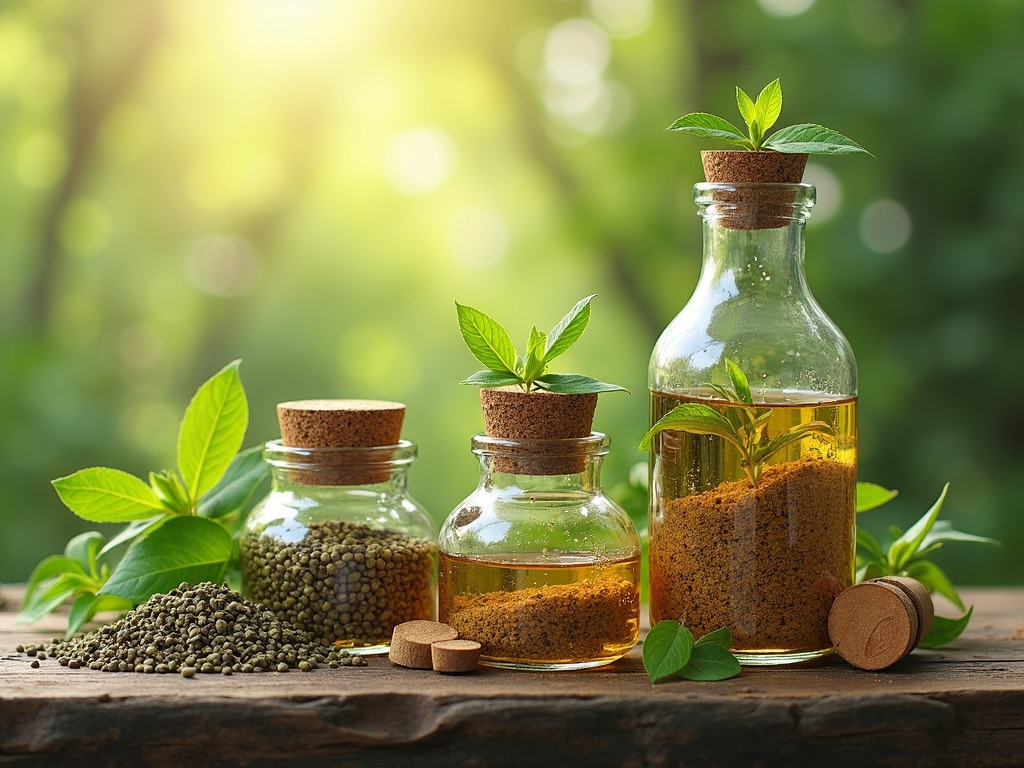
Imagine stepping into a garden overflowing with nature's medicine cabinet. The scent of lavender hangs in the air, mingling with the earthy aroma of chamomile. This is the world of herbalism, an ancient practice of using plants for healing and well-being. Perhaps you've always been curious about the power of herbs but felt intimidated by the seemingly complex world of tinctures, salves, and infusions. Fear not, aspiring herbalist! This guide is designed to gently introduce you to the art of creating your own herbal preparations, empowering you to harness the natural healing properties of plants in simple, effective ways.
Why Learn About Herbal Preparations?
In a world increasingly reliant on synthetic pharmaceuticals, many are seeking a more natural approach to healthcare. Herbal preparations offer a gentle, holistic way to support your body's natural healing processes.
**Natural and Holistic:Herbalism treats the whole person, not just the symptoms.
**Empowering:Taking control of your health with knowledge and skills.
**Cost-Effective:Growing or sourcing herbs can be more economical than buying conventional medicine.
**Sustainable:Herbal practices promote environmental consciousness and respect for nature.
**Time-tested:Herbal medicine has been used for thousands of years.
Essential Tools and Ingredients for the Budding Herbalist
Before you dive into making your own herbal preparations, it's essential to gather a few basic tools and familiarize yourself with common ingredients. Don't worry, you don't need a fancy laboratory! A well-stocked kitchen is often a great starting point.
Basic Tools
**Glass Jars:For infusions, decoctions, and storing finished products.
**Measuring Cups and Spoons:For accurate measurements in recipes.
**Cutting Board and Knife:For chopping and preparing herbs.
**Mortar and Pestle:For grinding herbs into a fine powder.
**Double Boiler or Heat-Safe Bowl and Saucepan:For making salves and infused oils.
**Cheesecloth or Fine-Mesh Strainer:For straining herbs from liquids.
**Labels and Pens:For clearly labeling your creations with the date and ingredients.
Common Herbal Ingredients
**Dried Herbs:Easy to store and readily available; look for good quality sources.
**Fresh Herbs:Best when harvested at their peak potency.
**Water:Distilled or filtered water is preferred for most preparations.
**Vinegar:Apple cider vinegar is a popular choice for extracts.
**Alcohol:High-proof vodka or brandy are used for making tinctures.
**Oils:Olive oil, coconut oil, and almond oil are commonly used for infused oils and salves.
**Beeswax:Essential for thickening salves and balms.
**Honey:Adds sweetness and has its own healing properties.
Simple Herbal Preparations for Beginners
Let's get started with some easy-to-make herbal preparations that you can try at home. Remember to start with small batches and always test a small amount of any new preparation on your skin before applying it liberally.
Herbal Infusions (Teas)
Infusions are a simple and gentle way to extract the medicinal properties of herbs using water.
**Method:**
1. Place 1-2 teaspoons of dried herbs (or 2-4 teaspoons of fresh herbs) in a mug or tea pot.
2. Pour 1 cup of boiling water over the herbs.
3. Cover and steep for 10-15 minutes.
4. Strain the herbs and enjoy.
**Popular Herbs for Infusions:Chamomile (calming), peppermint (digestion), ginger (warming), elderflower (immune support).
Herbal Decoctions
Decoctions are similar to infusions but are used for tougher plant parts like roots, barks, and seeds. The simmering process helps to release their medicinal compounds.
**Method:**
1. Place 1-2 teaspoons of dried roots, barks, or seeds in a saucepan.
2. Add 1 cup of water.
3. Bring to a simmer and let it simmer for 20-30 minutes.
4. Strain and enjoy.
**Popular Herbs for Decoctions:Ginger root (anti-inflammatory), dandelion root (liver support), burdock root (skin health).
Herbal-Infused Oils
Infused oils are a wonderful way to extract the healing properties of herbs into a carrier oil, which can then be used for massage, skincare, or as an ingredient in salves.
**Method (Slow Infusion):**
1. Fill a clean, dry jar with dried herbs.
2. Pour oil over the herbs, making sure they are completely submerged.
3. Cover the jar tightly and place it in a warm, sunny location for 4-6 weeks.
4. Shake the jar daily.
5. Strain the herbs and store the infused oil in a clean, dark glass bottle.
**Method (Quick Infusion – Low Heat):**
1. Combine herbs and oil in a double boiler or heat-safe bowl over a simmering pot of water.
2. Heat gently for 1-5 hours, monitoring carefully to prevent burning.
3. Strain the herbs and store this quickly infused oil in a clean, dark glass bottle.
**Popular Herbs for Infused Oils:Calendula (skin healing), lavender (relaxation), St. John's Wort (nerve pain – use with caution).
Herbal Salves
Salves are topical preparations made by combining infused oils with beeswax to create a semi-solid balm. They're perfect for soothing skin irritations, cuts, and burns.
**Method:**
1. In a double boiler or heat-safe bowl over a simmering pot of water, melt beeswax. Start with roughly 1 oz beeswax to 8 oz oil; adjust for desired firmness.
2. Add your herbal-infused oil to the melted beeswax.
3. Stir until well combined.
4. Pour the mixture into clean jars or tins and let it cool completely.
**Popular Herbs for Salves:Comfrey (wound healing – for external use only), plantain (drawing out splinters and soothing bites), chickweed (itch relief).
Herbal Vinegars
Herbal vinegars are made by infusing vinegar with herbs. They can be used as digestive aids, hair rinses, or in salad dressings.
**Method:**
1. Fill a clean jar with fresh or dried herbs. Fresh herbs will result in a weaker but still very effective product. Use about 1 cup of dried herbs or 2 cups loosely packed fresh herbs for every 3 cups of vinegar.
2. Pour apple cider vinegar (or other vinegar of choice) over the herbs, ensuring they are fully submerged.
3. Cover the jar with a non-metallic lid (vinegar can react with metal).
4. Let the mixture infuse for 2-4 weeks in a cool, dark place.
5. Strain the herbs and store the vinegar in a clean bottle.
**Popular Herbs for Vinegars:Rosemary (hair health), lavender (relaxation), thyme (antimicrobial).
Herbal Honey
Herbal honey is a delicious and soothing way to enjoy the benefits of herbs, particularly for sore throats and coughs.
**Method:**
1. Gently warm the honey in a double boiler, making it more fluid, or use honey that is already in a fluid state. Raw honey is preferred.
2. Add your herbs: For dried herbs, use about 1 tablespoon per cup of honey. For fresh herbs, use around 2 tablespoons, making sure they are thoroughly dried to prevent spoilage.
3. Allow the honey and herbs to infuse for 1-2 weeks, stirring occasionally.
4. Strain the honey (optional) to remove the herbs or leave them in for a stronger infusion.
**Popular Herbs for Honey:Garlic (immune boost), ginger (digestion), thyme (cough). Some even use chili.
Safety Considerations and Precautions
While herbal preparations are generally safe, it's crucial to exercise caution and be aware of potential risks.
**Allergies:Always be mindful of potential allergies.
**Pregnancy and Breastfeeding:Some herbs are not safe to use during pregnancy or breastfeeding. Consult with a healthcare professional before using any herbal preparations if you are pregnant or breastfeeding.
**Medications:Herbs can interact with medications. Talk to your doctor or pharmacist before using herbs if you are taking any prescription drugs.
**Dosage:Start with small doses and gradually increase as needed.
**Identification:Be absolutely sure you have correctly identified any wild plants before using them medicinally. If in doubt, purchase from a reputable supplier.
**Quality:Use high-quality herbs from reputable sources. [externalLink insert]
Sourcing Your Herbs Ethically and Sustainably
As herbalists, we have a responsibility to protect the environment and ensure the sustainable harvesting of plants.
**Grow Your Own:The most sustainable option is to grow your own herbs. Even a small herb garden can provide you with a steady supply of fresh ingredients.
**Forage Responsibly:If you choose to forage for wild herbs, make sure you have permission to harvest on the land and only take what you need. Avoid harvesting rare or endangered plants. Consider joining a local foraging group .
**Buy from Reputable Suppliers:Choose suppliers who prioritize sustainable harvesting practices and source their herbs from organic farms.
Expanding Your Herbal Knowledge
This guide provides a foundation for your herbal journey. Continue to learn and explore by:
**Reading Books:There are many excellent books on herbalism available.
**Taking Courses:Consider taking an online or in-person herbalism course.
**Joining a Local Herbalist Guild:Connect with other herbal enthusiasts and learn from experienced practitioners.
**Experimenting:Don't be afraid to experiment with different herbs and preparations to find what works best for you.
Embrace the Journey: Nurturing Health, Naturally
Embarking on the path of herbalism is a rewarding journey that connects you with the healing power of nature. By mastering these simple herbal preparations, you'll gain the confidence and knowledge to create your own natural remedies and support your well-being in a holistic way. So, gather your tools, source your herbs, and begin your exploration of the wonderful world of herbalism! As your knowledge expands, so too, will your ability to help yourself and others live a healthier, more vibrant life.