
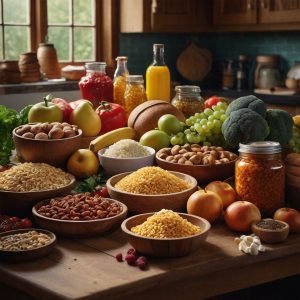
Welcome to Your Journey Towards Natural Health and Beauty
Boosting Your Energy Levels Naturally
In today's fast-paced world, many of us find ourselves battling fatigue and low energy, which can affect our overall well-being and beauty. If you are someone who is passionate about natural health remedies and beauty tips, you're in the right place! This self-guided online lesson is designed to empower you with knowledge and solutions to help you boost your energy levels naturally.
Our goal is to provide you with practical, effective strategies that harness the power of nature. From understanding the impact of nutrition and herbal remedies to exploring holistic practices, we aim to equip you with the tools you need to revitalize your body and mind. By embracing these natural methods, you can improve your vitality, enhance your beauty from within, and cultivate a more vibrant lifestyle.
Throughout this lesson, you will discover a variety of remedies and tips that not only help in boosting energy but also contribute to your overall health and beauty regimen. Whether you're looking for dietary suggestions, lifestyle changes, or beauty hacks, we have curated detailed solutions tailored just for you. Let’s embark on this journey together towards a more energized and beautiful you!
Macronutrients play a crucial role in weight management and can significantly influence your energy levels. Understanding how carbohydrates, proteins, and fats function in your diet is essential for optimizing your health naturally.
Carbohydrates are the body's primary source of energy. They are broken down into glucose, which fuels your brain and muscles. For sustained energy, focus on complex carbohydrates such as whole grains, fruits, and vegetables. These foods not only provide energy but also supply essential vitamins, minerals, and fiber that keep you feeling full longer, helping to prevent overeating.
Proteins are vital for muscle repair and growth, and they also play a key role in weight management. Foods high in protein, such as legumes, nuts, seeds, and lean meats, can enhance satiety, meaning you’ll feel fuller for a longer period. Incorporating protein into your meals can reduce cravings and help maintain muscle mass, which is important for a healthy metabolism.
Fats, often misunderstood, are essential for energy and nutrient absorption. Healthy fats from sources like avocados, olive oil, and fatty fish provide a concentrated energy source that can help keep you satisfied. Including moderate amounts of healthy fats in your diet can support hormone balance and overall health, which are crucial for effective weight management.
By focusing on a balanced intake of macronutrients, you can optimize your energy levels while managing your weight. Aim for a diet rich in whole foods that includes a variety of carbohydrates, proteins, and healthy fats. This approach not only enhances energy but also supports overall well-being and vitality.
The role of micronutrients in boosting energy levels cannot be overstated. Micronutrients, which include vitamins and minerals, are essential for various bodily functions, including energy production, metabolism, and maintaining overall health. When your body lacks these vital nutrients, it can lead to fatigue, weakness, and a general feeling of low energy.
Vitamins such as B-complex play a significant role in converting food into energy. For instance, Vitamin B1 (thiamine), B2 (riboflavin), B3 (niacin), B5 (pantothenic acid), B6 (pyridoxine), B7 (biotin), B9 (folate), and B12 (cobalamin) are crucial for the metabolic processes that release energy from carbohydrates, fats, and proteins. Including a variety of whole grains, legumes, nuts, seeds, and leafy greens in your diet can help ensure you get enough of these energy-boosting vitamins.
Minerals such as iron, magnesium, and zinc are equally important. Iron is essential for transporting oxygen in the blood, and a deficiency can lead to anemia, which often manifests as fatigue. Foods rich in iron include lean meats, beans, lentils, and spinach. Magnesium helps convert food into energy and supports muscle function, making it vital for maintaining energy levels during physical activity. Sources of magnesium include nuts, seeds, whole grains, and dark chocolate. Zinc plays a role in metabolic processes and immune function, so incorporating foods like shellfish, legumes, seeds, and whole grains can support your energy levels.
Antioxidants, such as vitamins A, C, and E, protect your cells from oxidative stress, which can drain your energy. Foods rich in these antioxidants include colorful fruits and vegetables, nuts, and seeds. Incorporating a rainbow of colors into your meals not only boosts your micronutrient intake but also provides your body with the necessary tools to fight fatigue and maintain high energy levels.
To maximize the benefits of micronutrients, aim to consume a balanced diet that includes a variety of foods. Cooking methods also matter; for example, steaming vegetables rather than boiling them can help preserve their vitamin content. Additionally, consider eating small, frequent meals throughout the day to maintain steady energy levels, rather than relying on large meals that can lead to sluggishness.
In summary, focusing on the intake of necessary micronutrients through a diverse and balanced diet can significantly impact your energy levels. By ensuring you receive adequate vitamins and minerals, you’ll not only boost your energy but also support your overall health and well-being.
Nutrition plays a crucial role in determining our metabolism and energy levels. The foods we consume directly influence how efficiently our bodies convert nutrients into energy. A balanced diet rich in whole foods can help maintain optimal metabolic function and prevent energy dips throughout the day.
Carbohydrates are the body's primary source of energy. Complex carbohydrates, such as whole grains, fruits, and vegetables, release energy slowly, providing a steady fuel supply. On the other hand, simple carbohydrates found in sugary snacks can lead to quick energy spikes followed by crashes, leaving you feeling fatigued.
Proteins are essential for muscle repair and growth, and they also play a role in energy production. Incorporating high-quality protein sources, like legumes, nuts, lean meats, and dairy, can help stabilize blood sugar levels and keep energy consistent.
Healthy fats are another important component of a metabolism-boosting diet. Foods rich in omega-3 fatty acids, like fish, flaxseeds, and walnuts, can enhance metabolic efficiency and support overall energy production. Avocados and olive oil provide monounsaturated fats that are beneficial for heart health and can also contribute to sustained energy levels.
Micronutrients, such as vitamins and minerals, are vital in energy metabolism. B vitamins, particularly B1, B2, B3, B5, B6, and B12, are involved in converting food into energy. Including a variety of fruits and vegetables in your diet ensures you get these essential nutrients. Minerals like iron and magnesium are also crucial, as they help transport oxygen in the blood and aid in energy production at the cellular level.
Hydration is another key factor in maintaining high energy levels. Dehydration can lead to fatigue and decreased metabolic function. Drinking plenty of water throughout the day ensures that your body can efficiently carry out metabolic processes and helps prevent energy slumps.
Finally, consider the timing of your meals. Consuming smaller, balanced meals and snacks throughout the day can help maintain steady energy levels. This approach prevents blood sugar spikes and crashes, allowing for sustained focus and productivity.
By paying attention to what you eat and ensuring your diet is rich in whole, nutrient-dense foods, you can significantly boost your metabolism and energy levels naturally.
Nutrition plays a crucial role in boosting energy levels and maintaining healthy skin. A well-balanced diet not only fuels your body but also impacts your skin's appearance and vitality. When you consume nutrient-dense foods, you provide your skin with the essential vitamins and minerals it needs to regenerate and repair.
To enhance your energy levels naturally, focus on incorporating a variety of whole foods into your diet. Foods rich in antioxidants, such as berries, leafy greens, and nuts, can help combat oxidative stress, which is linked to fatigue and aging. Antioxidants also support skin health by protecting it from damage caused by free radicals, leading to a more radiant complexion.
Healthy fats, particularly omega-3 fatty acids found in fatty fish, flaxseeds, and walnuts, are vital for maintaining skin elasticity and hydration. These fats not only nourish your skin but also support cellular function, helping to boost your overall energy levels. Additionally, incorporating sources of lean protein, such as legumes, chicken, and tofu, can provide the amino acids necessary for repairing skin tissue and sustaining energy throughout the day.
Hydration is another critical factor in both energy levels and skin health. Drinking sufficient water helps maintain skin moisture and elasticity, while also preventing fatigue. Aim to consume at least eight glasses of water daily, and consider adding herbal teas or infused water with fruits and herbs for added flavor and benefits.
Lastly, don’t overlook the importance of vitamins and minerals. Vitamin C, found in citrus fruits and bell peppers, is essential for collagen production, which keeps skin firm and youthful. B vitamins, present in whole grains and green vegetables, play a key role in energy metabolism and can help reduce feelings of tiredness. Zinc, found in nuts and seeds, supports skin healing and immune function, further contributing to your overall well-being.
By prioritizing nutrition that supports both energy levels and skin health, you’ll not only feel more energized but also achieve a glowing complexion that reflects your inner vitality.
Developing healthy eating habits is crucial for boosting energy levels naturally. Here are some effective strategies to incorporate into your daily routine:
Prioritize Whole Foods: Focus on consuming whole, unprocessed foods such as fruits, vegetables, whole grains, lean proteins, and healthy fats. These nutrient-dense foods provide essential vitamins and minerals that support energy production and overall health.
Stay Hydrated: Dehydration can lead to fatigue and decreased energy levels. Aim to drink at least 8 glasses of water a day. Herbal teas and infused waters can add variety while ensuring you stay hydrated.
Eat Regularly: Skipping meals can lead to energy crashes. Establish a routine of eating smaller, balanced meals and snacks throughout the day to maintain steady blood sugar levels. Aim for three main meals and two or three healthy snacks.
Balance Macronutrients: Make sure each meal contains a balance of carbohydrates, proteins, and fats. Carbohydrates provide quick energy, while proteins and fats help sustain energy levels over time. For example, pair whole grain toast with avocado and a hard-boiled egg for a balanced breakfast.
Choose Complex Carbohydrates: Opt for complex carbohydrates like oats, brown rice, and quinoa instead of simple sugars. These foods release energy slowly, preventing spikes and crashes in blood sugar levels.
Incorporate Healthy Snacks: Keep healthy snacks on hand, such as nuts, seeds, yogurt, or fruit. These can help keep your energy levels stable between meals and prevent unhealthy cravings.
Mindful Eating: Practice mindful eating by paying attention to your hunger cues and eating slowly. This can help prevent overeating and ensure you enjoy your food, which can enhance your overall well-being.
Limit Sugar and Processed Foods: Reduce your intake of sugary snacks and processed foods, as they can lead to energy crashes. Instead, opt for natural sweeteners like honey or fruit to satisfy your sweet tooth.
Plan Your Meals: Take time to plan your meals for the week. This can help you make healthier choices, save time, and reduce the temptation to grab unhealthy snacks or meals when you're busy.
Listen to Your Body: Pay attention to how different foods affect your energy levels. Keep a food journal to identify patterns and make adjustments to optimize your diet for better energy.
By implementing these strategies, you can develop healthy eating habits that not only support your energy levels but also contribute to your overall health and vitality.
Embrace Natural Vitality
Reflecting on Your Journey
As we wrap up this lesson, it’s essential to remember the significance of boosting your energy levels naturally. Achieving increased stamina and vitality is not just a goal; it’s a pathway to a healthier, more vibrant life. By integrating the natural health remedies and beauty tips discussed, you are taking proactive steps toward enhancing your overall well-being.
Should you feel the need for a refresher, don’t hesitate to revisit this lesson. Each review can deepen your understanding and reinforce your commitment to your health journey. Additionally, explore the other lessons in this course, as they are designed to support you in your quest for natural health and beauty.
Your vitality is within reach, and with the right knowledge and practices, you can unlock a more energetic and fulfilling life. Keep striving for that natural boost!