
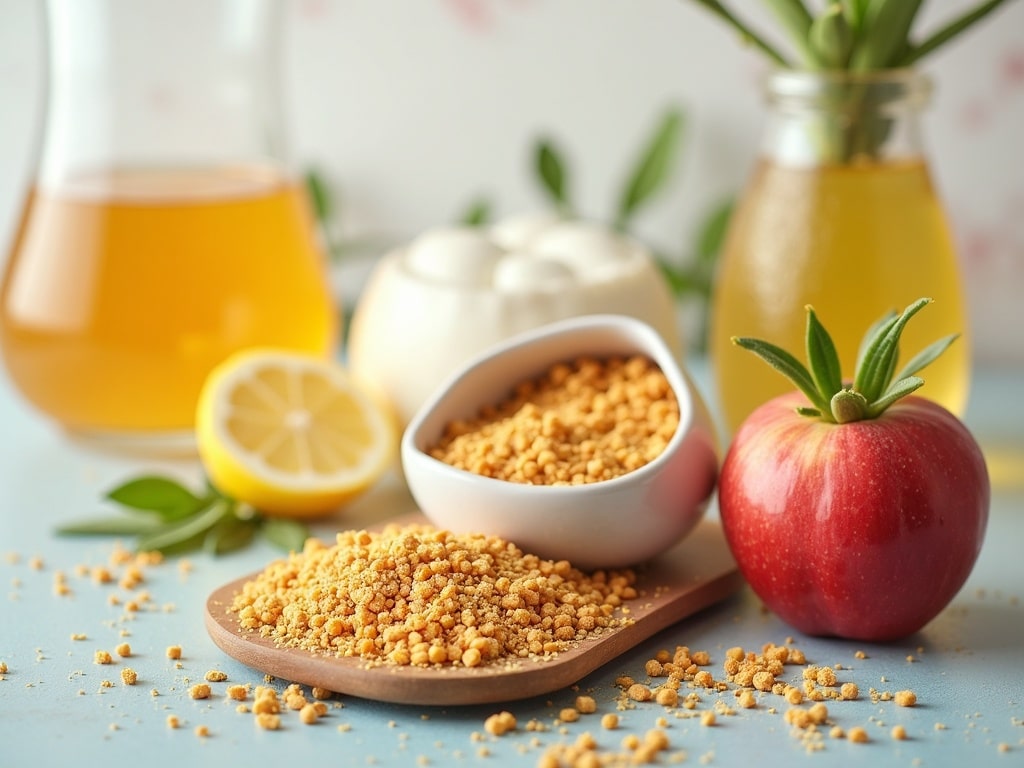
Natural Laxatives for Constipation: Gentle Relief You Can Find at Home
Are you feeling sluggish, bloated, and generally uncomfortable? Constipation, that unwelcome guest, can disrupt your entire day. While over-the-counter medications offer a quick fix, they often come with unwanted side effects. Thankfully, nature provides us with a wealth of gentle, effective solutions. Let's explore the world of natural laxatives for constipation and discover how to bring your digestive system back into balance.
Understanding Constipation: What's Normal, What's Not?
Before diving into remedies, let's clarify what constipation actually is. It's not just about infrequent bowel movements. It also involves difficulty passing stools, straining, and a feeling of incomplete evacuation. What's considered normal varies from person to person, ranging from three times a day to three times a week. However, if you experience fewer than three bowel movements a week, and these movements are consistently difficult, you're likely constipated.
Common Causes of Constipation
**Diet:A lack of fiber is a major culprit.
**Dehydration:Water helps keep things moving smoothly.
**Lack of Exercise:Physical activity stimulates bowel function.
**Certain Medications:Some drugs can slow down digestion.
**Ignoring the Urge:Regularly suppressing the urge to go can lead to constipation.
**Underlying Medical Conditions:In some cases, constipation can be a symptom of a more serious condition.
The Power of Fiber: Nature's Broom
Fiber is indigestible plant material that adds bulk to your stool, making it easier to pass. It's like a natural broom, sweeping waste through your digestive system. There are two main types of fiber: soluble and insoluble.
**Soluble Fiber:Dissolves in water, forming a gel-like substance that softens stools. Good sources include oats, beans, apples, and citrus fruits.
**Insoluble Fiber:Adds bulk to the stool and helps it move through the digestive tract more quickly. Good sources include whole grains, vegetables, and wheat bran.
Aim to consume at least 25-30 grams of fiber per day. Gradually increase your intake to avoid gas and bloating.
Top Fiber-Rich Foods to Combat Constipation
**Bran Flakes:A breakfast staple packed with insoluble fiber.
**Lentils:A versatile legume that's high in both soluble and insoluble fiber.
**Apples:Especially with the skin on, apples provide a good dose of soluble fiber.
**Broccoli:This cruciferous vegetable is a great source of both fiber and essential nutrients.
**Prunes:A well-known natural laxative, thanks to their high fiber and sorbitol content.
Hydration is Key: Keeping Things Moving
Water is essential for overall health, and it plays a crucial role in preventing and relieving constipation. When you're dehydrated, your body pulls water from your stool, making it hard and difficult to pass. Aim to drink at least eight glasses of water per day.
Tips for Staying Hydrated
**Carry a water bottle:Keep a water bottle with you and refill it throughout the day.
**Set reminders:Use your phone or a water tracking app to remind you to drink water regularly.
**Eat water-rich foods:Fruits and vegetables like watermelon, cucumber, and spinach can contribute to your daily fluid intake.
**Drink herbal teas:Opt for herbal teas like peppermint or chamomile, which can also soothe your digestive system.
Natural Laxative Foods: A Gentle Push
Beyond fiber and water, certain foods possess natural laxative properties that can help stimulate bowel movements.
**Prunes:As mentioned earlier, prunes are a powerhouse of fiber and sorbitol, a natural sugar alcohol with laxative effects.
**Figs:Similar to prunes, figs are high in fiber and can help promote regularity.
**Citrus Fruits:Oranges, grapefruits, and lemons contain pectin, a soluble fiber that can soften stools.
**Flaxseeds:These tiny seeds are packed with fiber, omega-3 fatty acids, and antioxidants. Grind them before consuming to maximize their benefits.
**Chia Seeds:Like flaxseeds, chia seeds are a good source of fiber and omega-3s. They also absorb water, forming a gel that can help soften stools.
Other Natural Remedies for Constipation
Besides diet and hydration, other natural remedies can provide relief from constipation.
**Castor Oil:This traditional remedy acts as a stimulant laxative. Take it with caution, as it can cause cramping and diarrhea. Consult your doctor before using castor oil, especially if you have any underlying health conditions.
**Magnesium Citrate:An over-the-counter supplement that draws water into the intestines, softening stools. It's generally safe but can cause dehydration if not taken with enough water.
**Aloe Vera Juice:Known for its soothing properties, aloe vera juice can also help relieve constipation. Look for a product specifically designed for internal use and start with a small dose to assess your tolerance.
**Probiotics:These beneficial bacteria can help restore balance to your gut microbiome, which can improve digestion and prevent constipation. Foods like yogurt, kefir, and sauerkraut are good sources of probiotics.
Lifestyle Changes to Prevent Constipation
Preventing constipation is often as simple as making a few lifestyle adjustments.
**Regular Exercise:Physical activity stimulates bowel function. Aim for at least 30 minutes of moderate-intensity exercise most days of the week.
**Establish a Routine:Try to have a bowel movement at the same time each day, preferably after a meal.
**Don't Ignore the Urge:When you feel the urge to go, don't delay.
**Proper Toilet Posture:Elevate your feet with a small stool to help relax your pelvic floor muscles and make it easier to pass stools.

When to See a Doctor
While natural remedies can be effective for occasional constipation, it's important to see a doctor if you experience any of the following:
**Severe abdominal pain**
**Blood in your stool**
**Unexplained weight loss**
**Constipation that lasts for more than two weeks**
**Changes in bowel habits**
These symptoms could indicate a more serious underlying condition.
Gentle Relief is Within Reach
Constipation can be a frustrating and uncomfortable experience, but it doesn't have to control your life. By incorporating these natural laxatives and lifestyle changes into your daily routine, you can promote regularity, improve your gut health, and feel your best. Remember to listen to your body, stay hydrated, and consult with your doctor if you have any concerns. Your journey to a happier, healthier gut starts now!