

Unlocking Tranquility: Can Passionflower Ease Sleep and Anxiety?
In our relentlessly fast-paced world, finding moments of genuine peace can feel like an impossible quest. The twin demons of sleeplessness and anxiety haunt millions, leaving them yearning for natural solutions. Enter passionflower, a vine celebrated for its potentially calming properties. But can this botanical remedy truly deliver on its promise of soothing sleep and quelling anxiety? Let's delve into the science, traditions, and practical applications of passionflower to uncover its potential benefits.
The Allure of Passionflower: A Botanical Profile
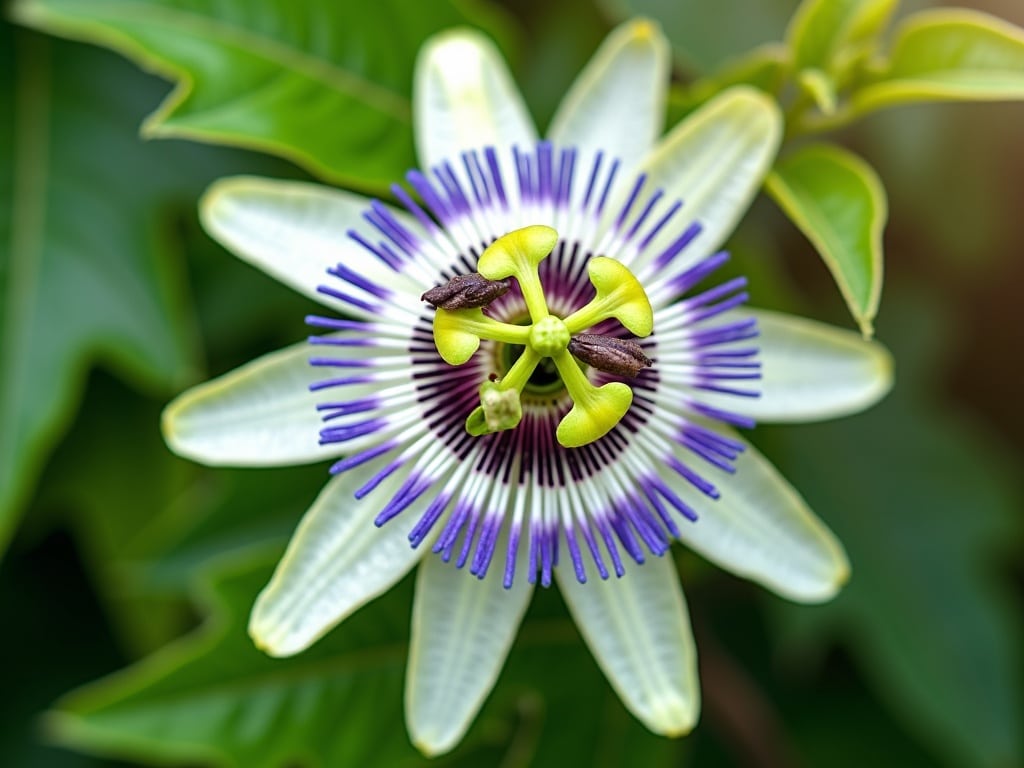
Passionflower, scientifically known as Passiflora incarnata, is a climbing vine native to the southeastern United States, as well as Central and South America. Its striking flowers, a complex tapestry of petals, filaments, and reproductive structures, have long captured the imagination. Beyond its aesthetic appeal, passionflower boasts a rich history of traditional use as a medicinal herb.
A History Rooted in Tradition
Indigenous peoples of the Americas were among the first to recognize passionflower's therapeutic potential. They employed it to treat a variety of ailments, including anxiety, insomnia, and even epilepsy. European explorers, upon encountering passionflower, were equally intrigued by its properties and introduced it to the Old World, where it gradually gained recognition as a calming agent and sleep aid.
The Active Compounds: Decoding Passionflower's Chemistry
While the precise mechanisms of action are still under investigation, scientists have identified several compounds in passionflower that may contribute to its therapeutic effects. These include:
- Flavonoids: These antioxidants may help reduce inflammation and protect against cell damage.
- Alkaloids: Certain alkaloids in passionflower, such as harman and harmaline, may have calming and mood-enhancing properties.
- Gamma-aminobutyric acid (GABA): Passionflower may increase levels of GABA, a neurotransmitter that promotes relaxation and reduces anxiety.
Passionflower for Sleep: Drifting Off to Dreamland
One of the most compelling reasons people turn to passionflower is its potential to improve sleep quality. But how does it work, and what does the research say?
Easing the Mind, Preparing the Body
Passionflower's calming effects can help quiet the mental chatter that often keeps us awake at night. By reducing anxiety and promoting relaxation, it can create a more conducive environment for sleep. Unlike some sleep medications, passionflower is generally considered to have a gentle effect, making it less likely to cause grogginess or other unwanted side effects.
Scientific Studies: A Closer Look
Several studies have investigated the effects of passionflower on sleep. For example, a study published in the journal Phytotherapy Research found that passionflower extract improved sleep quality in participants with mild sleep disturbances. Another study, published in the Journal of Clinical Pharmacy and Therapeutics, showed that passionflower tea improved sleep quality in healthy adults. While more research is needed, these findings suggest that passionflower may be a valuable tool for promoting restful sleep.
Practical Ways to Use Passionflower for Sleep
If you're considering trying passionflower for sleep, here are a few options:
- Passionflower Tea: Steep dried passionflower leaves in hot water for 10-15 minutes to create a soothing bedtime beverage.
- Passionflower Extract: Available in liquid or capsule form, passionflower extract can be taken before bed. Follow the dosage instructions on the product label.
- Passionflower Supplements: Passionflower is often included in herbal sleep formulas, combined with other calming herbs like valerian root and chamomile.
Taming Anxiety: Passionflower's Calming Embrace
Beyond its sleep-enhancing properties, passionflower has also gained attention for its potential to alleviate anxiety. Let's explore the evidence.
Quieting the Anxious Mind
Anxiety can manifest in a variety of ways, from persistent worry and nervousness to physical symptoms like rapid heartbeat and muscle tension. Passionflower's calming effects may help to reduce these symptoms by modulating the nervous system and promoting a sense of tranquility. By increasing GABA levels in the brain, passionflower may help to slow down overactive neural pathways and reduce feelings of overwhelm.
Research on Anxiety Relief
Several studies have examined passionflower's effects on anxiety. A study published in the Journal of Clinical Pharmacy and Therapeutics compared passionflower to a conventional anti-anxiety medication and found that passionflower was equally effective in reducing anxiety symptoms, with fewer side effects. Another study, published in the journal Anesthesia and Analgesia, found that passionflower reduced anxiety in patients undergoing surgery. These findings suggest that passionflower may be a safe and effective option for managing mild to moderate anxiety.
Incorporating Passionflower into Your Anxiety Management Routine
If you're interested in using passionflower for anxiety, consider these options:
- Passionflower Tea: Sipping on passionflower tea throughout the day may help to ease anxiety symptoms.
- Passionflower Extract: Passionflower extract can be taken regularly to help manage chronic anxiety.
- Passionflower Tincture: A concentrated liquid extract, passionflower tincture can be taken under the tongue for rapid anxiety relief.
- Topical application: Topical uses for passionflower may help with skin health
Potential Side Effects and Precautions
While passionflower is generally considered safe, it's important to be aware of potential side effects and precautions:
- Drowsiness: Passionflower can cause drowsiness, so it's best to avoid taking it before operating machinery or driving.
- Dizziness: Some people may experience dizziness after taking passionflower.
- Allergic Reactions: Although rare, allergic reactions to passionflower are possible. Discontinue use if you experience any symptoms of an allergic reaction.
- Pregnancy and Breastfeeding: Passionflower is not recommended for pregnant or breastfeeding women due to a lack of safety data.
- Drug Interactions: Passionflower may interact with certain medications, including sedatives, anti-anxiety drugs, and blood thinners. Consult with your doctor before taking passionflower if you are taking any medications.
Finding the Right Dosage
The optimal dosage of passionflower varies depending on the individual and the specific product being used. It's always best to start with a low dose and gradually increase it until you achieve the desired effect. Follow the dosage instructions on the product label or consult with a healthcare professional for personalized guidance.
Beyond Sleep and Anxiety: Other Potential Benefits
While passionflower is primarily known for its effects on sleep and anxiety, research suggests that it may offer other potential benefits as well:
- Pain Relief: Passionflower may have analgesic properties and could help to relieve pain from conditions like headaches and muscle soreness.
- Menopausal Symptoms: Some studies have shown that passionflower may help to reduce menopausal symptoms like hot flashes and mood swings.
- ADHD: Early research suggests that passionflower may improve symptoms of attention deficit hyperactivity disorder (ADHD) in children.
A Holistic Approach to Well-being
Passionflower can be a valuable addition to a holistic approach to well-being, but it's not a magic bullet. For optimal results, combine passionflower with other healthy habits, such as:
- Regular Exercise: Physical activity can help to reduce stress, improve sleep, and boost mood.
- Healthy Diet: A balanced diet provides the nutrients your body needs to function optimally.
- Stress Management Techniques: Practices like yoga, meditation, and deep breathing can help to manage stress and anxiety.
- Sufficient Sleep: Aim for 7-9 hours of quality sleep each night.
- Mindfulness: Cultivating mindfulness can help you to stay present in the moment and reduce worry.
The Verdict: Passionflower as a Natural Ally
Passionflower offers a promising natural option for promoting sleep and easing anxiety. Backed by both traditional use and emerging scientific evidence, this botanical remedy may help you unlock tranquility and find moments of peace in our chaotic world. However, it's essential to use passionflower responsibly, be aware of potential side effects, and consult with a healthcare professional if you have any concerns. By incorporating passionflower into a holistic approach to well-being, you can harness its calming properties and embark on a journey towards greater serenity and restorative sleep.