

9 Proven Ways to Boost Serotonin Naturally and Elevate Your Mood
Feeling a bit down? Like you’re wading through molasses on a cloudy day? Before you reach for that sugary snack or doomscroll through social media, consider this: Your serotonin levels might need a little nudge. This powerful neurotransmitter plays a crucial role in regulating mood, sleep, appetite, and even digestion. While prescription medications can help, there are numerous natural and effective ways to boost serotonin levels and reclaim your sunny disposition. Let’s dive in.
Understanding Serotonin: The Key to Happiness (and More!)
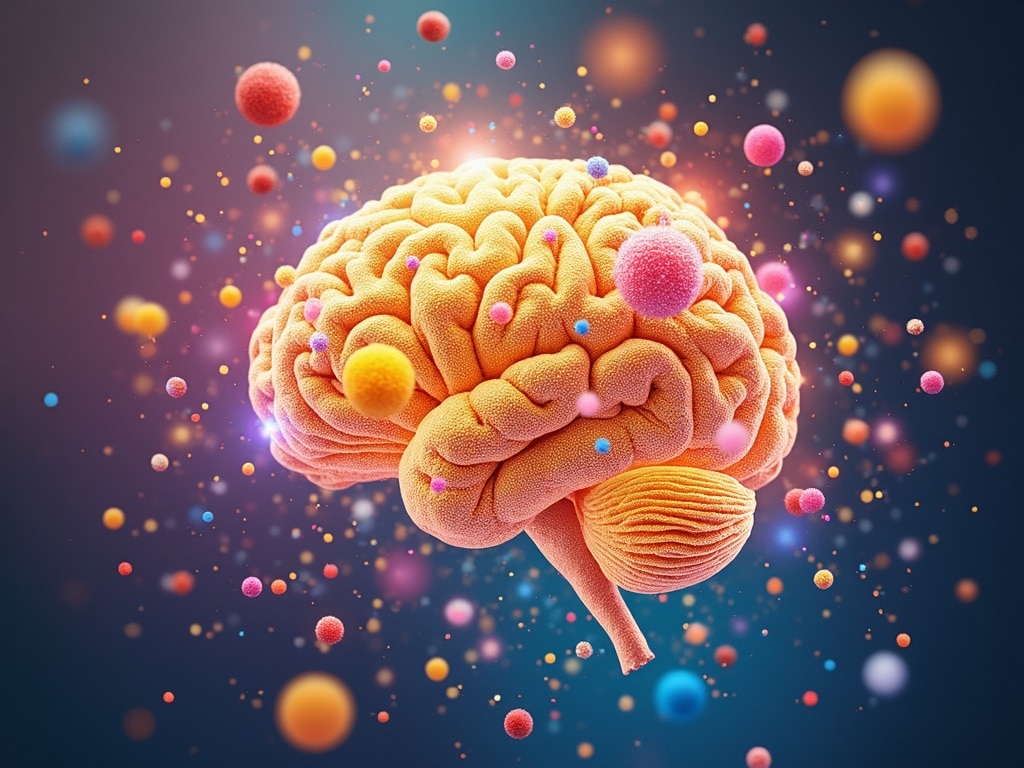
Serotonin, often dubbed the happy chemical, is a neurotransmitter that carries messages between nerve cells in the brain and throughout the body. But its influence extends far beyond just happiness.
- Mood Regulation: Serotonin helps stabilize mood and promotes feelings of well-being and contentment.
- Sleep Cycle: It's a precursor to melatonin, the hormone that regulates sleep. Balanced serotonin levels are essential for a healthy sleep schedule.
- Appetite Control: Serotonin helps regulate appetite by signaling satiety, reducing cravings, and preventing overeating.
- Digestive Health: A significant amount of serotonin is produced in the gut, playing a vital role in regulating bowel movements and digestive function.
- Cognitive Function: Serotonin influences learning, memory, and decision-making processes.
Low serotonin levels have been linked to a variety of issues, including depression, anxiety, insomnia, and digestive problems. So, finding ways to naturally boost serotonin can significantly impact your overall health and well-being.
1. Brighten Your Day with Sunlight Exposure
Sunlight is more than just a pleasant warmth on your skin; it's a powerful serotonin booster. Exposure to sunlight helps the body produce vitamin D, which is essential for serotonin synthesis. Aim for at least 15-30 minutes of direct sunlight exposure each day, preferably in the morning. Even on cloudy days, natural light can have a positive effect. Open your curtains, take a walk outside, or simply sit by a window and soak up the rays. If you live in an area with limited sunlight, consider using a light therapy box, which mimics natural sunlight and can help regulate your circadian rhythm and boost serotonin levels.
2. Move Your Body: The Mood-Boosting Power of Exercise
Exercise is a fantastic natural antidepressant and a potent stimulator of serotonin production. When you engage in physical activity, your brain releases endorphins, which have mood-boosting effects. But exercise also increases the production and release of serotonin, dopamine, and norepinephrine, all neurotransmitters that contribute to feelings of well-being and happiness.
Find an activity you enjoy, whether it's dancing, hiking, swimming, or yoga, and aim for at least 30 minutes of moderate-intensity exercise most days of the week. Even a brisk walk can make a significant difference. Regular exercise not only boosts serotonin but also improves your physical health, reduces stress, and enhances your overall quality of life.
3. Fuel Your Brain with Tryptophan-Rich Foods
Tryptophan is an essential amino acid that the body uses to produce serotonin. While you can't directly ingest serotonin through food, consuming tryptophan-rich foods can provide the building blocks your body needs to create it. Excellent sources of tryptophan include:
- Turkey: A classic source, but don't overdo it!
- Salmon: Packed with omega-3 fatty acids, which also support brain health.
- Eggs: A versatile and nutrient-rich source of tryptophan.
- Nuts and Seeds: Walnuts, almonds, pumpkin seeds, and flaxseeds are all good options.
- Tofu and Soy Products: Excellent choices for vegetarians and vegans.
- Pineapple: Contains bromelain, an enzyme that may have mood-boosting effects.
Combine these foods with complex carbohydrates, such as whole grains, fruits, and vegetables, to help tryptophan cross the blood-brain barrier more effectively.
4. Gut Health and Serotonin: A Surprising Connection
Did you know that the majority of serotonin is produced in your gut? A healthy gut microbiome is crucial for serotonin production and overall mental well-being. To support a healthy gut:
- Eat a Fiber-Rich Diet: Fiber feeds the beneficial bacteria in your gut, promoting a healthy balance.
- Consume Probiotic-Rich Foods: Yogurt, kefir, sauerkraut, and kimchi contain live cultures of beneficial bacteria.
- Limit Processed Foods, Sugar, and Artificial Sweeteners: These can disrupt the balance of your gut microbiome.
- Manage Stress: Chronic stress can negatively impact gut health.
By nurturing your gut, you're not only improving your digestion but also supporting the production of serotonin and enhancing your mood. You can also find helpful information and supplements at [externalLink insert].
5. The Power of Positive Thinking and Gratitude
Your thoughts have a profound impact on your brain chemistry. Focusing on positive thoughts and practicing gratitude can actually increase serotonin levels. Studies have shown that gratitude journaling, practicing mindfulness, and engaging in positive self-talk can all boost mood and promote feelings of well-being.
Make a daily effort to identify and appreciate the good things in your life, no matter how small. Reframe negative thoughts into more positive ones, and focus on solutions rather than dwelling on problems. The more you cultivate positive thoughts and feelings, the more your brain will naturally produce serotonin and support a positive outlook.
6. Meditation and Mindfulness: Calming the Mind, Boosting Serotonin
Meditation and mindfulness practices are powerful tools for reducing stress and increasing serotonin levels. When you meditate, you focus your attention on the present moment, quieting the mental chatter and fostering a sense of calm and inner peace. This reduces the production of cortisol, the stress hormone, and promotes the release of serotonin and other feel-good neurotransmitters.
Even just a few minutes of daily meditation can make a significant difference. Find a quiet space, sit comfortably, and focus on your breath. You can also use guided meditations or mindfulness apps to help you stay focused. Over time, regular meditation practice can enhance your ability to manage stress, improve your mood, and boost your overall well-being.
7. Massage Therapy: A Relaxing Way to Increase Serotonin
Massage therapy is not just a luxurious treat; it's a therapeutic practice that can have significant benefits for your physical and mental health. Studies have shown that massage can increase serotonin and dopamine levels while reducing cortisol levels. The gentle pressure and manipulation of muscles help to release tension, reduce pain, and promote relaxation.
Whether you opt for a professional massage or simply ask a loved one to give you a shoulder rub, the act of physical touch can be incredibly soothing and mood-boosting. Regular massage therapy can be a powerful way to manage stress, alleviate anxiety, and naturally increase serotonin levels.
8. Supplement Wisely: Exploring Natural Serotonin Boosters
While diet and lifestyle changes are the foundation of boosting serotonin naturally, certain supplements may provide additional support. Here are a few to consider:
- 5-HTP: A precursor to serotonin, 5-HTP can help increase serotonin production in the brain. However, it's important to consult with a healthcare professional before taking 5-HTP, as it can interact with certain medications.
- L-Tryptophan: Similar to 5-HTP, L-tryptophan is an amino acid that the body uses to produce serotonin. It's often found in protein powders and can be taken as a supplement.
- St. John's Wort: A popular herbal remedy for depression, St. John's Wort can increase serotonin levels in the brain. However, it can interact with many medications, so it's crucial to consult with a healthcare professional before using it.
- SAMe: S-adenosylmethionine (SAMe) is a naturally occurring compound in the body that plays a role in serotonin production. It's often used to treat depression and osteoarthritis.
- Omega-3 Fatty Acids: Found in fish oil, omega-3 fatty acids are essential for brain health and can help improve mood.
Always talk to your doctor before starting any new supplement, especially if you have underlying health conditions or are taking medications.
9. Social Connection: The Importance of Relationships
Humans are social beings, and strong social connections are essential for our mental and emotional well-being. Spending time with loved ones, engaging in meaningful conversations, and feeling a sense of belonging can all increase serotonin levels and boost your mood.
Make an effort to connect with friends and family regularly, whether it's through phone calls, video chats, or in-person visits. Join a club or organization, volunteer your time, or simply strike up a conversation with a stranger. Nurturing your social connections can provide a sense of purpose, reduce feelings of isolation, and naturally increase serotonin levels.
Taking Control of Your Happiness: A Holistic Approach
Boosting serotonin naturally is not a quick fix but rather a holistic approach that involves making sustainable lifestyle changes. By incorporating these nine strategies into your daily routine, you can support your brain's natural ability to produce serotonin, improve your mood, and enhance your overall well-being. Remember that consistency is key, and even small changes can make a big difference over time. So, take charge of your happiness, embrace these natural methods, and unlock your inner sunshine.