

How Gut Health Impacts Your Weight: Unlocking the Microbiome's Secrets
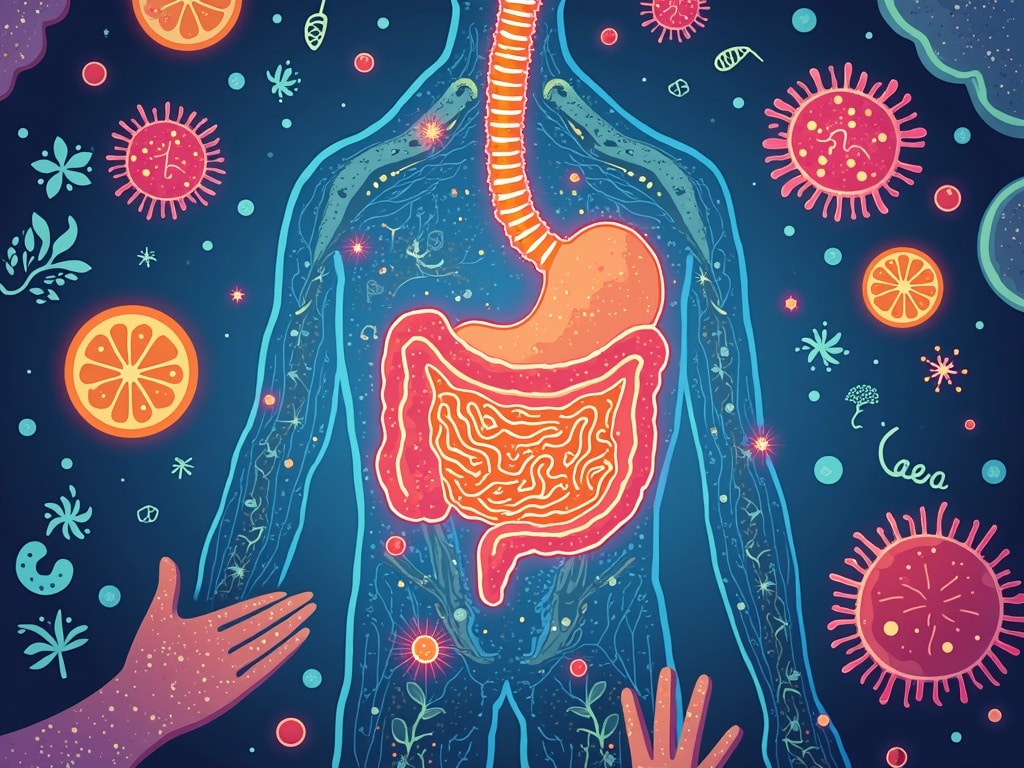
Imagine your gut as a bustling metropolis, teeming with trillions of microscopic inhabitants. This intricate ecosystem, known as the gut microbiome, plays a far more significant role in your overall health than you might realize – including a surprising influence on your weight. Forget calorie counting alone; understanding the intricate relationship between your gut and your waistline is the key to sustainable and healthy weight management. Let's dive into this fascinating world and uncover the secrets of how gut health impacts your weight.
The Gut Microbiome: A World Within
The gut microbiome is the collective term for the vast community of bacteria, fungi, viruses, and other microorganisms residing in your digestive tract. Think of it as a personalized fingerprint, unique to each individual, shaped by genetics, diet, lifestyle, and even environmental factors. A healthy, diverse microbiome contributes significantly to:
- Digestion and Nutrient Absorption: Breaking down complex carbohydrates and fibers that your body can't digest on its own.
- Immune System Regulation: Training and supporting the immune system to fight off harmful pathogens.
- Vitamin Production: Synthesizing essential vitamins like K and B vitamins.
- Mental Health: Producing neurotransmitters like serotonin, influencing mood and cognitive function.
When this delicate balance is disrupted—often due to poor diet, stress, or antibiotic use—it can lead to a condition called dysbiosis, where harmful bacteria outnumber beneficial bacteria. This imbalance has far-reaching consequences, including potential weight gain and difficulty losing weight.
The Gut-Weight Connection: Decoding the Mechanisms
So, how exactly does your gut influence your weight? The connection is multifaceted and involves several key mechanisms:
1. Calorie Extraction and Energy Harvest
Certain types of gut bacteria are more efficient at extracting calories from food than others. An overabundance of these calorie-hoarding bacteria can lead to increased energy absorption, meaning you absorb more calories from the same amount of food. This surplus can then be stored as fat, contributing to weight gain. A study published in *Naturefound that obese individuals tended to have a less diverse gut microbiome with a higher proportion of Firmicutes, a bacterial group known for efficient calorie extraction.
2. Inflammation and Insulin Resistance
Dysbiosis can trigger chronic low-grade inflammation in the gut. This inflammation can then spread throughout the body, contributing to insulin resistance. Insulin is a hormone that helps glucose (sugar) enter cells for energy. When you become insulin resistant, your cells don't respond properly to insulin, leading to elevated blood sugar levels. The body then produces even more insulin to compensate, eventually leading to weight gain, particularly around the abdomen. Chronic inflammation is also linked to leptin resistance, further disrupting weight regulation.
3. Appetite Regulation and Hormonal Imbalance
The gut microbiome plays a pivotal role in producing hormones that regulate appetite and satiety. For example, certain bacteria produce short-chain fatty acids (SCFAs) like butyrate, propionate, and acetate, which have been shown to promote satiety and reduce food intake. SCFAs also improve gut barrier function, preventing leaky gut, a condition where toxins and bacteria leak into the bloodstream, contributing to inflammation. An imbalance in gut bacteria can disrupt the production of these crucial hormones, leading to increased cravings, overeating, and ultimately, weight gain. Furthermore, studies have revealed that the gut microbiome can influence the production of the hunger hormone ghrelin and the satiety hormone leptin, further affecting food intake.
4. Bile Acid Metabolism
Bile acids, produced by the liver, are essential for fat digestion and absorption. The gut microbiome significantly influences bile acid metabolism. Certain bacteria can modify bile acids, affecting their ability to emulsify fats and their signaling function in the body. Disrupted bile acid metabolism has been linked to obesity and metabolic disorders. A healthy gut microbiome ensures proper bile acid metabolism, supporting efficient fat digestion and preventing fat accumulation.
Strategies to Improve Gut Health for Weight Management
Now that you understand the profound impact of gut health on weight, let’s explore practical strategies to cultivate a thriving gut microbiome and support healthy weight management:
1. Embrace a Diverse, Fiber-Rich Diet
Fiber is the primary food source for beneficial gut bacteria. Aim for a variety of fiber-rich foods, including:
- Fruits: Berries, apples, bananas
- Vegetables: Leafy greens, broccoli, carrots
- Legumes: Beans, lentils, chickpeas
- Whole Grains: Oats, quinoa, brown rice
Resistant starch, found in cooked and cooled potatoes and rice, is another excellent source of food for beneficial bacteria. Gradually increase your fiber intake to avoid digestive discomfort. A diverse diet promotes a diverse microbiome, leading to improved digestion, nutrient absorption, and weight management.
2. Incorporate Probiotic-Rich Foods
Probiotics are live microorganisms that, when consumed in adequate amounts, confer a health benefit on the host. Include probiotic-rich foods in your diet, such as:
- Yogurt: Choose plain, unsweetened yogurt with live and active cultures.
- Kefir: A fermented milk drink similar to yogurt.
- Sauerkraut: Fermented cabbage.
- Kimchi: A spicy Korean fermented dish.
- Kombucha: A fermented tea.
Probiotic supplements can also be beneficial, especially after antibiotic use or during periods of stress. Consult with a healthcare professional to determine the best probiotic strain for your individual needs.
3. Limit Processed Foods, Sugar, and Artificial Sweeteners
Processed foods, sugary drinks, and artificial sweeteners can negatively impact the gut microbiome, promoting the growth of harmful bacteria and disrupting the delicate balance. These foods often lack essential nutrients and fiber, starving beneficial bacteria and contributing to inflammation. Minimize your intake of these culprits to support a healthy gut environment.
4. Manage Stress Levels
Stress can significantly impact the gut microbiome. Chronic stress can disrupt the balance of gut bacteria, leading to inflammation and digestive issues. Practice stress-reducing techniques such as:
- Meditation: Mindfulness and relaxation exercises.
- Yoga: Physical postures, breathing techniques, and meditation.
- Spending Time in Nature: Connecting with the outdoors.
- Adequate Sleep: Aim for 7-8 hours of quality sleep per night.
Prioritizing stress management is essential for maintaining a healthy gut microbiome and overall well-being.
5. Consider Prebiotic Supplements
Prebiotics are non-digestible fibers that act as food for beneficial gut bacteria. They help to stimulate the growth and activity of these bacteria, further promoting gut health. Examples of prebiotics include:
- Inulin: Found in onions, garlic, and asparagus.
- Fructooligosaccharides (FOS): Found in fruits and vegetables.
- Galactooligosaccharides (GOS): Found in legumes and dairy products.
Prebiotic supplements can be a convenient way to increase your prebiotic intake, especially if you struggle to consume enough fiber from your diet.
6. Avoid Unnecessary Antibiotic Use
Antibiotics can be life-saving medications, but they can also have a devastating impact on the gut microbiome. They kill both harmful and beneficial bacteria, disrupting the delicate balance and potentially leading to dysbiosis. Use antibiotics only when absolutely necessary and always under the guidance of a healthcare professional. After antibiotic treatment, focus on replenishing your gut microbiome with probiotics and a fiber-rich diet.
The Bottom Line: A Holistic Approach to Weight Management
Understanding how gut health impacts your weight is a crucial step towards achieving sustainable and healthy weight loss. By focusing on nurturing your gut microbiome through a balanced diet, stress management, and mindful lifestyle choices, you can unlock your body's natural ability to regulate weight, improve digestion, and enhance overall well-being. Forget quick fixes and restrictive diets; embrace a holistic approach that prioritizes gut health for long-term success. Listen to your gut, nourish it wisely, and watch your weight naturally find its equilibrium.