
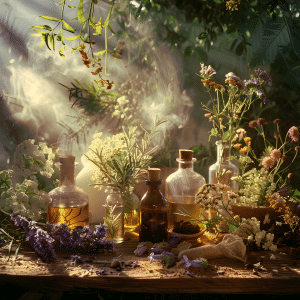
Welcome to Your Guide on Natural Health, Remedies, and Beauty Tips
Enhancing Your Natural Beauty Routine
In a world bustling with synthetic products and quick-fix solutions, the journey towards embracing our natural beauty has never been more important. This self-guided online lesson is designed for those who are passionate about exploring natural health and remedies, as well as beauty tips that enhance our innate elegance. Here, we will delve into various health problems and their natural remedies, alongside beauty tips that celebrate and elevate your unique features.
The goal of this lesson is to equip you with valuable knowledge and practical solutions that align with your commitment to natural wellness. By understanding the root causes of common health issues and discovering holistic remedies, you can foster a healthier lifestyle that resonates with your body’s needs. Additionally, we’ll explore beauty tips that not only enhance your appearance but also promote self-confidence and well-being, allowing you to shine from the inside out.
Prepare to embark on a journey that empowers you to take charge of your health and beauty routines naturally. We invite you to explore the detailed solutions provided in this lesson, and we hope you find inspiration and insight that transforms your approach to self-care.
Herbal remedies have been used for centuries to promote restful sleep and enhance overall well-being. The natural properties found in various herbs can help calm the mind, reduce anxiety, and prepare the body for a good night's rest. In this section, we will explore some of the most effective herbal remedies that can be easily incorporated into your nightly routine.
Chamomile: Often enjoyed as a tea before bedtime, chamomile is renowned for its calming effects. It contains antioxidants that may promote relaxation and help reduce insomnia. Simply steep dried chamomile flowers in hot water for 5-10 minutes, strain, and sip to unwind.
Lavender: Known for its soothing aroma, lavender can be used in various forms, including essential oil, sachets, or dried flowers. Inhaling lavender's scent has been shown to lower heart rate and blood pressure, making it an ideal addition to your sleep environment. Try adding a few drops of lavender essential oil to your pillow or a warm bath before bed.
Valerian Root: Valerian root is another popular choice for sleep enhancement. It is available in capsules, tinctures, or teas and is thought to improve sleep quality and reduce the time it takes to fall asleep. However, it’s advisable to consult with a healthcare professional before using valerian, especially if you are taking other medications.
Passionflower: This beautiful climbing vine has been used traditionally to treat anxiety and insomnia. Passionflower tea is a gentle and calming way to prepare for sleep. Steep the dried leaves in boiling water for about 10 minutes and enjoy its relaxing effects.
Lemon Balm: A member of the mint family, lemon balm has mild sedative properties that can help alleviate anxiety and promote sleep. It can be consumed as a tea or taken in capsule form. For tea, use fresh or dried leaves and steep them in hot water for about 10 minutes.
Incorporating these herbal remedies into your nightly routine can create a soothing atmosphere conducive to sleep. Whether through teas, essential oils, or supplements, these natural solutions provide a gentle approach to enhancing your sleep quality and overall well-being.
Achieving better sleep quality is essential for enhancing natural beauty, as restorative sleep promotes a glowing complexion, reduces dark circles, and supports overall health. Incorporating key herbs into your routine can help you relax and prepare your body for a restful night's sleep. Here are some effective herbs known for their sleep-promoting properties:
Chamomile: Renowned for its calming effects, chamomile tea can help reduce anxiety and improve sleep quality. Its mild sedative properties make it an excellent choice for a pre-bedtime ritual. Brew a cup of chamomile tea about 30 minutes before bedtime to unwind and signal your body that it's time to relax.
Lavender: The soothing scent of lavender is widely recognized for its ability to promote relaxation and calmness. You can use lavender essential oil in a diffuser, add a few drops to your pillow, or even enjoy a calming lavender tea. Research suggests that inhaling lavender can enhance the quality of sleep and reduce insomnia.
Valerian Root: Often used as a natural remedy for insomnia, valerian root has sedative effects that can help improve sleep duration and quality. Available in various forms such as capsules, teas, or tinctures, valerian root can be beneficial when taken about an hour before bedtime.
Passionflower: This beautiful flower is known for its calming effects and is often used to treat anxiety and insomnia. Passionflower tea can be made by steeping the dried flowers in hot water. Drinking this tea before bed may help increase total sleep time and improve sleep quality.
Lemon Balm: A member of the mint family, lemon balm has been used for centuries to reduce stress and promote sleep. It can be consumed as a tea or taken in supplement form. Its mild sedative effects can help soothe the mind, making it easier to drift off to sleep.
Integrating these herbs into your nightly routine can not only improve your sleep quality but also contribute to your overall beauty regimen by ensuring that you wake up refreshed and rejuvenated. Experiment with different combinations to find what works best for you, and enjoy the holistic benefits of these natural remedies.
When it comes to enhancing natural beauty through herbal solutions, understanding the methods of preparation and appropriate dosages is essential. Here are some common methods for preparing herbal remedies along with guidelines on how to use them effectively.
Infusions: Infusions are typically made by steeping herbs in hot water. This method is ideal for delicate plants like flowers and leaves. To prepare an infusion, use 1 tablespoon of dried herbs or 2 tablespoons of fresh herbs per cup of boiling water. Steep for 10-15 minutes, then strain and enjoy as a tea. Infusions can also be used as a facial rinse to refresh and tone the skin.
Decoctions: Decoctions are best for tougher plant materials such as roots and bark. Start by simmering 1 tablespoon of dried herbs in 2 cups of water for 20-30 minutes. Once cooled, strain the mixture. Decoctions can be consumed as teas or used as a base for herbal compresses to soothe skin irritations.
Tinctures: Tinctures are concentrated herbal extracts made by soaking herbs in alcohol or vinegar. To create a tincture, fill a jar with chopped fresh herbs or dried herbs and cover them completely with alcohol (like vodka) or apple cider vinegar. Seal the jar and let it sit in a cool, dark place for 4-6 weeks, shaking it occasionally. Strain the mixture, and store the liquid in a dark bottle. Tinctures can be taken in small doses—typically 1-2 dropperfuls—added to water or juice, or applied topically for skin benefits.
Salves and Ointments: Salves are made by infusing herbs in oil and then mixing with beeswax to create a thick consistency. To prepare a salve, infuse 1 cup of carrier oil (like olive or coconut oil) with 1 cup of dried herbs by gently heating for 2-3 hours in a double boiler. Strain the oil and mix it with 1 ounce of beeswax until melted. Pour into containers and allow to cool. Use salves to moisturize and protect the skin, especially for dry or chapped areas.
Powders: Herbal powders can be made by grinding dried herbs into a fine consistency. These powders can be used in baths, face masks, or mixed with carrier oils for topical applications. A typical dosage for internal use is 1-2 teaspoons per day, mixed into smoothies or foods.
Dosage Guidelines: When using herbal remedies, it's crucial to start with lower doses and observe how your body responds. For infusions, consume 1-3 cups per day. Tinctures can be taken 1-3 times a day, while salves can be applied as needed. Always listen to your body and consult a health professional if uncertain about any herbal preparations.
By mastering these preparation methods and understanding dosage, you can effectively incorporate herbal solutions into your natural beauty routine, enhancing your overall well-being and radiance.
Integrating herbal remedies into your nighttime routine can significantly enhance your natural beauty and promote overall well-being. At the end of the day, your body craves relaxation and rejuvenation, and the right herbs can support this process beautifully.
Start by creating a calming herbal tea ritual. Chamomile, lavender, and lemon balm are excellent choices known for their soothing properties. Brew a cup of tea about an hour before bed to help unwind your mind and body. Not only will this promote better sleep, but it can also lead to clearer skin, as quality sleep is essential for skin repair and regeneration.
Next, consider incorporating herbal-infused oils into your skincare routine. Oils like jojoba and rosehip can be infused with herbs such as calendula or nettle. These infused oils can be used as a nourishing facial moisturizer before bedtime. Apply a few drops to your skin, gently massaging it in to promote circulation and lymphatic drainage, which can help reduce puffiness and improve skin tone.
For an extra touch of pampering, create a herbal sleep sachet. Fill a small cloth bag with dried herbs like lavender, chamomile, and hops, then place it under your pillow or beside your bed. The calming aroma will help you drift off to sleep and can also enhance the overall ambiance of your nighttime routine.
Lastly, don’t forget about your hair! Herbal treatments can work wonders while you sleep. Consider a nighttime hair mask using coconut oil infused with rosemary or hibiscus. Apply the mask to your hair and scalp before bed, and wash it out in the morning for soft, shiny locks.
By incorporating these herbal remedies http://papawhse.RENEW.hop.clickbank.netinto your nighttime routine, you not only enhance your natural beauty but also nurture your body and mind, setting a positive tone for each new day.
When incorporating herbs into your natural health and beauty routines, it is essential to be aware of potential side effects and considerations that may arise. Although many herbs offer beneficial properties, they can also cause adverse reactions in some individuals.
Firstly, it is crucial to consider individual allergies. Some people may have sensitivities or allergic reactions to certain herbs. Before using a new herb, perform a patch test by applying a small amount to a discreet area of skin to check for any adverse reactions.
Secondly, the dosage of herbs can significantly impact their effects. While some herbs are safe in small amounts, higher doses may lead to toxicity or negative side effects. Always adhere to recommended dosages and consult with a healthcare professional if you are unsure.
Additionally, certain herbs can interact with medications or other supplements. For instance, herbs like St. John's Wort can interfere with antidepressants, while garlic may enhance the effects of blood thinners. If you are taking medication, it is essential to consult with a healthcare provider before adding new herbs to your routine.
Another consideration is the method of preparation and application. Some herbs are more potent when used fresh, while others may require drying or steeping to release their beneficial compounds. Improper preparation can lead to ineffective results or even harmful effects.
Lastly, the source of herbs matters. Ensure that you are sourcing herbs from reputable suppliers to avoid contamination with pesticides, heavy metals, or other harmful substances. Organic and sustainably sourced herbs are often a safer choice.
By being mindful of these potential side effects and considerations, you can safely integrate herbs into your natural beauty and health routines, enhancing your overall well-being while embracing the power of nature.
Embracing Natural Beauty
Reflecting on Your Journey
As we wrap up this lesson, it's essential to remember the importance of enhancing your natural beauty routines. By simplifying your beauty regimen, you're not only investing in your appearance but also in your self-confidence. Embracing natural health and remedies is a holistic approach that nurtures both body and spirit, allowing you to feel your best from the inside out.
Should you have any questions or wish to revisit any parts of this lesson, feel free to review the content as needed. Each aspect we've covered is designed to empower you on your journey towards a more confident and radiant you. Additionally, we encourage you to explore the other lessons in this course to further enrich your understanding and practice of natural beauty and health.
Thank you for participating in this lesson, and remember that every step you take towards enhancing your natural beauty is a step towards embracing your true self.