
Unlocking Weight Loss: The Power of an Anti-Inflammatory Diet
Imagine a diet that not only helps you shed those extra pounds but also tackles the root causes of many health issues. This isn't a fantasy; it's the reality of adopting an anti-inflammatory diet. In a world bombarded with processed foods and stressful lifestyles, chronic inflammation has become a silent epidemic, contributing to weight gain, fatigue, and a host of other ailments. But what if you could fight back with every bite? Let's explore how an anti-inflammatory diet can be your key to sustainable weight loss and improved overall health.
Understanding Inflammation and Weight Gain
Inflammation is the body's natural response to injury or infection. It's a vital process, but when it becomes chronic – lingering long after the initial trigger – it can wreak havoc. Chronic inflammation is linked to numerous conditions, including heart disease, diabetes, arthritis, and yes, even weight gain.
The Inflammation-Weight Connection
So, how does inflammation contribute to weight gain? Here's a breakdown:
- Insulin Resistance: Chronic inflammation can impair insulin signaling, leading to insulin resistance. This means your body needs to produce more insulin to regulate blood sugar, which can eventually lead to weight gain, especially around the abdomen.
- Metabolic Slowdown: Inflammatory molecules can interfere with your metabolism, making it harder to burn calories efficiently. Think of it as throwing sand in the gears of your body's engine.
- Hormonal Imbalances: Inflammation can disrupt the delicate balance of hormones that regulate appetite and satiety, such as leptin and ghrelin. This can lead to increased cravings and overeating.
- Gut Microbiome Disruption: Inflammation can negatively impact the gut microbiome, reducing the diversity of beneficial bacteria and promoting the growth of harmful ones. This imbalance can further contribute to inflammation and weight gain.
By addressing chronic inflammation through diet, you can potentially reverse these negative effects and create a more favorable environment for weight loss.
The Anti-Inflammatory Diet: A Roadmap to Healthier Living
The anti-inflammatory diet isn't a restrictive fad diet; it's a sustainable way of eating that focuses on whole, unprocessed foods rich in nutrients and antioxidants. It's about prioritizing foods that soothe inflammation and avoiding those that trigger it. Here's a closer look at the key components:
Foods to Embrace: The Anti-Inflammatory Powerhouses
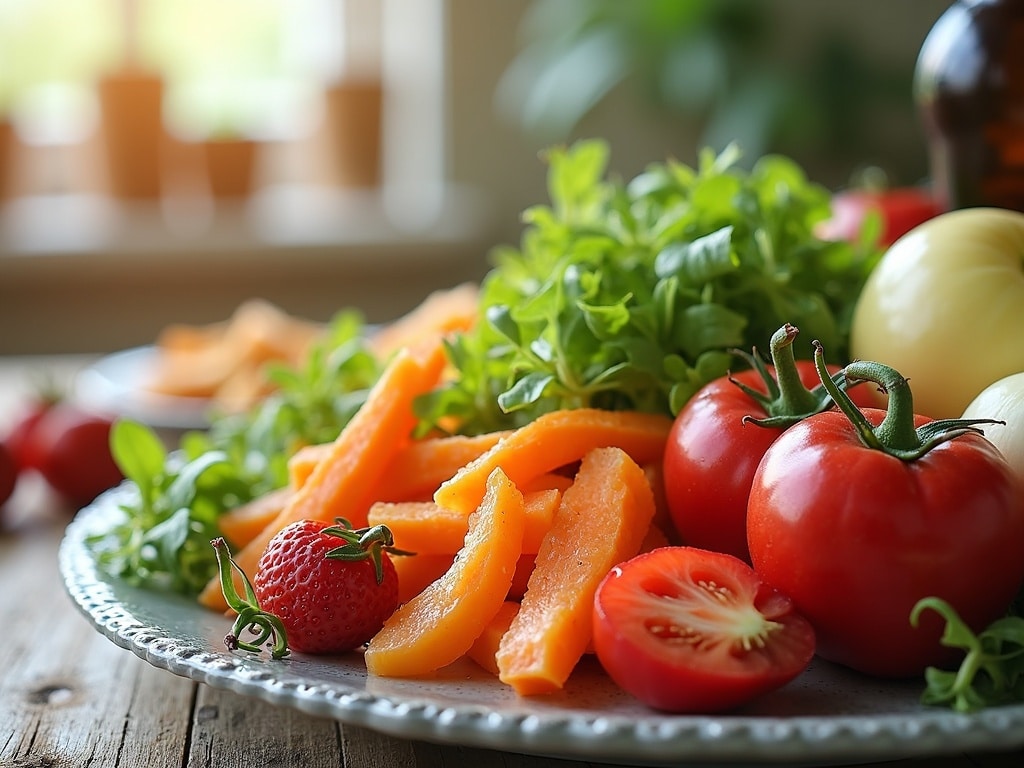
- Fruits and Vegetables: Load up on colorful fruits and vegetables like berries, leafy greens, broccoli, bell peppers, and tomatoes. These are packed with antioxidants, vitamins, and minerals that combat inflammation.
- Fatty Fish: Salmon, mackerel, sardines, and other fatty fish are excellent sources of omega-3 fatty acids, which have potent anti-inflammatory properties. Aim for at least two servings per week.
- Healthy Fats: Olive oil, avocados, nuts, and seeds provide healthy fats that support overall health and reduce inflammation.
- Whole Grains: Choose whole grains like quinoa, brown rice, and oats over refined grains like white bread and pasta. Whole grains are rich in fiber, which promotes gut health and helps regulate blood sugar.
- Legumes: Beans, lentils, and chickpeas are excellent sources of protein and fiber, both of which contribute to satiety and weight management. They also contain antioxidants and other beneficial compounds.
- Spices: Turmeric, ginger, cinnamon, and other spices have powerful anti-inflammatory properties. Incorporate them liberally into your cooking.
- Green Tea: Green tea is rich in antioxidants called catechins, which have been shown to reduce inflammation and protect against cell damage.
These foods work synergistically to reduce inflammation, support a healthy gut microbiome, and promote overall well-being.
Foods to Limit or Avoid: The Inflammation Triggers
Just as important as knowing what to eat is knowing what to avoid. Certain foods can promote inflammation and sabotage your weight loss efforts. Here are some of the biggest culprits:
- Processed Foods: Processed foods are often high in refined sugars, unhealthy fats, and artificial additives, all of which can contribute to inflammation. Examples include packaged snacks, fast food, and sugary drinks.
- Refined Grains: White bread, white rice, and other refined grains are quickly digested, leading to rapid spikes in blood sugar and increased inflammation.
- Sugary Drinks: Soda, juice, and other sugary drinks are loaded with fructose, which can promote inflammation and insulin resistance.
- Red and Processed Meats: Red meat, especially processed meats like bacon and sausage, can contribute to inflammation. Limit your intake and choose leaner protein sources whenever possible.
- Unhealthy Fats: Trans fats and saturated fats found in fried foods and processed snacks can promote inflammation.
- Excessive Alcohol: While moderate alcohol consumption may have some health benefits, excessive alcohol intake can contribute to inflammation and liver damage.
By minimizing these inflammatory foods, you can create a more favorable environment for weight loss and overall health.
Putting It All Together: Creating Your Anti-Inflammatory Meal Plan
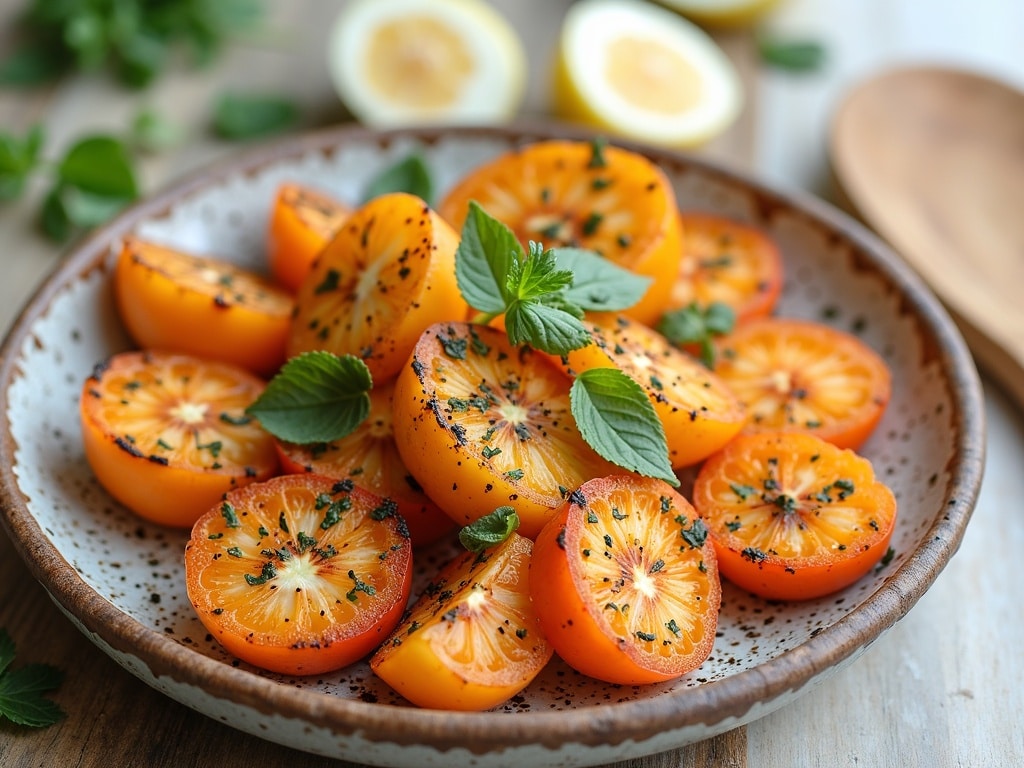
Now that you understand the principles of the anti-inflammatory diet, let's look at how to put it into practice. Here's a sample meal plan to get you started:
Sample Anti-Inflammatory Meal Plan
| Meal | Example |
|---|---|
| Breakfast | Oatmeal with berries, nuts, and seeds |
| Lunch | Salad with grilled salmon, mixed greens, avocado, and olive oil dressing |
| Dinner | Baked chicken breast with roasted vegetables (broccoli, bell peppers, sweet potatoes) |
| Snacks | Apple slices with almond butter, a handful of walnuts, or a green smoothie |
Tips for Success
- Start Slowly: Don't try to overhaul your entire diet overnight. Start by making small, gradual changes, such as swapping sugary drinks for water or adding a serving of vegetables to each meal.
- Read Labels: Pay attention to the ingredients list on packaged foods and avoid products that contain refined sugars, unhealthy fats, and artificial additives.
- Cook at Home: Cooking your own meals allows you to control the ingredients and avoid processed foods.
- Plan Ahead: Planning your meals and snacks in advance can help you stay on track and avoid impulsive unhealthy choices.
- Listen to Your Body: Pay attention to how different foods make you feel and adjust your diet accordingly.
- Stay Hydrated: Drink plenty of water throughout the day to help flush out toxins and support overall health.
Remember, the anti-inflammatory diet is not a one-size-fits-all approach. Experiment with different foods and recipes to find what works best for you.
Beyond Diet: Lifestyle Factors for Reducing Inflammation
While diet is a crucial component of managing inflammation, it's not the only factor. Other lifestyle choices can also play a significant role. Here are some key considerations:
Stress Management
Chronic stress can contribute to inflammation. Practice stress-reducing techniques such as yoga, meditation, or spending time in nature.
Regular Exercise
Regular physical activity has been shown to reduce inflammation and improve overall health. Aim for at least 30 minutes of moderate-intensity exercise most days of the week.
Adequate Sleep
Lack of sleep can disrupt hormone levels and increase inflammation. Aim for 7-8 hours of quality sleep per night.
Avoid Smoking
Smoking is a major contributor to inflammation. If you smoke, quitting is one of the best things you can do for your health.
The Long-Term Benefits: More Than Just Weight Loss
The benefits of an anti-inflammatory diet extend far beyond weight loss. By reducing inflammation, you can also:
- Improve Heart Health: Reduce the risk of heart disease by lowering cholesterol and blood pressure.
- Boost Brain Function: Protect against cognitive decline and improve memory and focus.
- Strengthen Your Immune System: Support a healthy immune system and reduce your risk of infections.
- Improve Gut Health: Promote a healthy gut microbiome and improve digestion.
- Reduce Pain and Inflammation: Alleviate symptoms of arthritis and other inflammatory conditions.
An anti-inflammatory diet is a holistic approach to health that can transform your life from the inside out.
Conclusion: Embracing a Healthier, Happier You
Embarking on an anti-inflammatory diet for weight loss is more than just chasing a number on the scale; it's about embracing a lifestyle that nourishes your body, reduces inflammation, and promotes overall well-being. By focusing on whole, unprocessed foods, managing stress, and incorporating regular exercise, you can unlock your body's natural healing potential and achieve sustainable weight loss. So, take the first step today and discover the transformative power of an anti-inflammatory diet – your journey to a healthier, happier you awaits.